China’s best compression pants are moving beyond gym fashion. They now combine targeted pressure, sweat management, flexible fabrics, and practical durability. Grand View Research reported that the global sports apparel market was valued at approximately US$244.5 billion in 2023. Its forecast also shows continued growth through 2030. This wider market trend reflects stronger demand for performance clothing, including compression activewear pants.
So, what are the benefits of compression activewear pants? Research suggests that graduated pressure may support comfort, reduce muscle vibration, and improve perceived stability during exercise. A 2020 review in Sports Medicine found that compression garments may help recovery markers after strenuous activity. However, performance improvements remain inconsistent. That matters.
Dr. John Porcari, an exercise physiologist at the University of Wisconsin–La Crosse, stated, “The compression garments did not improve running performance, but they did reduce muscle soreness.” This distinction supports a more reliable product description. Compression pants may assist recovery and comfort, but they should not be presented as a guaranteed performance enhancer. Fit is equally important. Excessive tightness can create discomfort, numbness, or restricted movement. A well-designed pair should feel firm around the thighs and calves, while allowing natural movement at the knees and hips. China-based manufacturers often offer different fabric blends, seam structures, and pressure levels. Buyers should request test reports, fabric composition, size charts, and quality-control records. The evidence is useful, but not perfect. Your body still decides.
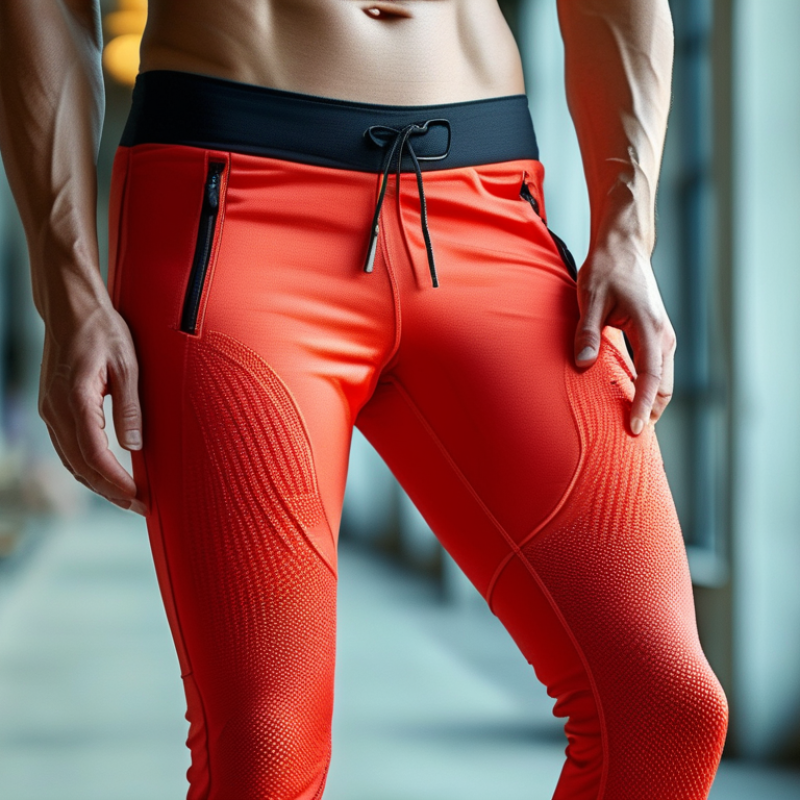
Compression pants are close-fitting garments made with elastic fibers and structured pressure. They gently squeeze the legs, hips, and sometimes the waist. The pressure may support blood flow toward the heart, especially around the calves and thighs.
They do not push blood like a pump. Moving muscles create that effect. Compression can help reduce vibration during running and may make the legs feel more supported. Some people also report less swelling after long travel or extended standing. The pressure should feel firm, not painful. A practical fitting test is simple: check your skin after wearing them for thirty minutes. Red marks, numbness, or cold toes suggest a poor fit.
Fit matters greatly.
Compression pants are not automatically better for every athlete. Research shows possible benefits for comfort and recovery, but performance improvements remain inconsistent. This is where marketing often sounds more certain than medical evidence. I would not treat them as a cure for circulation problems. People with vascular conditions, unexplained leg swelling, or persistent pain should ask a qualified healthcare professional before use.
Choose a breathable fabric that stays smooth behind the knees. Wrinkles can create uncomfortable pressure points. Wear them during a training session first, rather than during a long flight. That small test can reveal problems early. They may support movement, but sleep, hydration, strength training, and suitable footwear still matter more.
Compression pants are close-fitting garments designed to apply graduated pressure around the legs. The pressure is typically strongest near the ankle and gradually decreases upward, which may support venous blood flow and help limit fluid accumulation. Common benefits include improved perceived muscle support, reduced leg swelling, and possible improvements in post-exercise recovery. Research on performance benefits during exercise remains mixed.
The chart shows the midpoint of commonly used compression ranges measured in mmHg at the lower leg. Classification ranges can vary by medical standard and garment design. Medical-grade compression should be selected with professional guidance.
Choosing compression pants made in China can offer practical advantages for buyers seeking consistent quality and flexible production. Many Chinese manufacturers work with nylon-spandex blends, moisture-wicking fabrics, and flatlock seams. These details help reduce chafing during running, training, or long hours of movement. Large production networks can also support different sizes, colors, waistband designs, and compression levels.
Quality depends on the factory, not only the country. A dependable supplier should provide fabric weight, stretch recovery, colorfastness, and seam-strength information. Independent laboratory testing can verify these claims. Requesting a sample before production remains essential. Check whether the waistband rolls, whether the stitching irritates skin, and whether the fabric becomes transparent during squats. Details decide comfort. Clear communication also matters, especially when measurements follow different sizing systems.
Chinese production may reduce lead times when fabric suppliers, pattern makers, and sewing teams work nearby. It can also make small design changes easier during development. However, the first sample may still feel too tight or lose shape after washing. This is not a perfect process. Buyers should review factory experience, inspection procedures, worker conditions, and applicable product requirements before ordering. A thoughtful supplier will discuss these limitations openly instead of promising unrealistic performance. That honesty is often a stronger sign of reliability than a low quotation.
Compression pants apply gentle pressure around the legs, hips, and lower abdomen. This pressure may support comfortable movement during exercise and daily activities. During running, cycling, or gym training, many users feel that their muscles stay more supported. Some also report less bouncing and reduced post-workout heaviness. The benefit is practical. It is not magic.
Compression fabric can help manage sweat by moving moisture away from the skin. This may reduce rubbing, especially during long walks or repeated training sessions. A close fit can also provide warmth in cool conditions without adding bulky layers. For travel, light support may make sitting for long periods feel more comfortable. However, compression pants do not replace movement, hydration, or professional medical care.
Fit matters more than appearance. A firm, breathable fabric should feel secure, never painfully tight. The wrong size can cause numbness, itching, or restricted movement. Flat seams and a flexible waistband can improve comfort. Results vary between people. That uncertainty matters. Anyone with circulation problems, unexplained leg swelling, or persistent pain should seek medical advice before wearing compression clothing. A short trial during gentle activity can reveal whether the pressure feels helpful or simply distracting.
Choosing the best compression pants starts with your activity, not the product label. Runners may prefer firm support around the thighs and calves. For yoga, lighter compression usually allows easier hip movement. Measure your waist, hips, and inseam with a soft tape before ordering. Size charts differ, so do not guess from your usual trousers.
Fit matters more than maximum tightness. The fabric should feel secure without causing numbness, tingling, or restricted breathing. Check the waistband while bending and squatting. It should stay flat against your skin. Flat seams can reduce rubbing during long workouts, especially near the inner thighs. Look for breathable fabric that dries quickly after heavy sweating. Dark colors may hide moisture, but they do not improve performance.
Test them briefly first. Walk, stretch, and sit for ten minutes. My own mistake was choosing tighter pants after assuming more pressure meant better support. They felt impressive at first, then became uncomfortable near my knees. Compression levels can be confusing, and medical-grade garments should be selected with qualified healthcare advice. For everyday exercise, comfort, stable movement, and clear sizing information are more reliable indicators than dramatic claims. A practical pair should support your routine without demanding constant adjustment.
China Best Compression Pants: What Are the Benefits?
Proper wear matters more than chasing maximum pressure. Choose pants that fit firmly without numbness, tingling, skin discoloration, or restricted breathing. Measure your waist, hips, and inseam before ordering. The fabric should lie smoothly around the knees and hips, without rolling or deep folds. Put them on slowly, preferably on dry skin, and distribute the material evenly with your fingertips. Do not pull only from the waistband. That common shortcut can stretch the seams.
Evidence remains measured. A systematic review in Sports Medicine reported small and inconsistent performance benefits, while recovery effects appeared more noticeable after strenuous exercise. Compression is not a guarantee. It is a support tool. A Cochrane review covering 12 trials and 2,637 travelers found that compression stockings reduced symptomless deep-vein thrombosis, but it did not establish the same result for athletic pants. This distinction is important.
Wash compression pants after sweaty sessions. Use cool water and mild detergent. Avoid bleach, fabric softener, hot dryers, and ironing, because heat can weaken elastic fibers. Air-dry them flat or hang them away from direct sunlight. Check the waistband and stitching regularly. I would not ignore persistent marks, itching, or swelling. Remove the pants and seek medical advice when symptoms continue, especially with circulation problems. Fit is personal. My earlier mistake was assuming tighter always meant better. It did not.
| Data Dimension | Key Information | Practical Guidance | Important Notes |
|---|---|---|---|
| Primary Function | Compression pants apply graduated or uniform pressure to the legs and hips. They are commonly used for sports, travel, everyday support, and recovery routines. | Choose a pair according to the intended activity, body measurements, fabric properties, and required compression level. | Compression clothing is not a replacement for medical diagnosis or treatment. |
| Potential Benefits | They may provide a supportive, secure feel, reduce fabric movement during activity, and help manage mild swelling or leg heaviness for some users. | Wear them during activities for which the garment is designed, and combine use with regular movement, hydration, and rest. | Benefits vary by person. Strong claims about preventing injury or significantly improving athletic performance should be treated cautiously. |
| Muscle Support | Close-fitting fabric can limit excessive movement of soft tissue and may improve body awareness during exercise. | Use a smooth, flexible fit that supports movement without restricting normal walking, squatting, or stretching. | Discomfort, numbness, tingling, or skin color changes indicate that the garment should be removed. |
| Circulation and Swelling | Medical compression garments can support venous return when correctly fitted. The pressure level and design are important factors. | For diagnosed circulation problems, persistent swelling, or medically prescribed use, obtain professional advice before selecting compression strength. | People with certain arterial, vascular, nerve, or skin conditions may need medical assessment before using compression garments. |
| Typical Use Cases | Common applications include running, cycling, gym training, long periods of standing, air travel, and post-exercise comfort. | Match the garment to the activity: moisture management for exercise, comfortable construction for travel, and medical-grade specifications when prescribed. | A garment intended for athletic comfort may not provide the same pressure or certification as a medical compression garment. |
| Compression Level | Light or athletic compression: | Often selected for sports comfort, warmth, coverage, and a supportive feel. | Product pressure values and measurement methods can differ. Check the garment's technical specifications. |
| Compression Level | Medical compression: | Uses defined pressure ranges and fitting procedures. It should be selected according to professional guidance when used for a health condition. | Do not choose a medical compression level solely by appearance or general clothing size. |
| How to Select the Size | Accurate measurements may include waist, hip, thigh, inseam, and sometimes calf circumference, depending on the garment design. | Measure against the sizing chart, preferably on bare skin and without pulling the tape tightly. If between sizes, follow the manufacturer's measurement instructions. | A smaller size is not automatically more effective. Excessive tightness can reduce comfort and affect circulation. |
| How to Put Them On | Compression fabric should be distributed evenly rather than pulled aggressively from the waistband. | Turn the pants partially inside out, place the feet and legs correctly, then gradually smooth the fabric upward. Remove wrinkles from behind the knees and around the hips. | Avoid using fingernails, rings, or jewelry that may snag the fabric. |
| Fit Check | A properly fitted pair should lie flat, stay in place, and allow normal movement without rolling, pinching, or creating pressure points. | Check the waistband, groin, knees, ankles, and seams after several minutes of movement. | Remove the pants and seek advice if you experience pain, numbness, pins and needles, unusual coldness, or skin discoloration. |
| Recommended Wearing Time | There is no single wearing time suitable for everyone. Athletic garments are commonly worn during activity, while medical garments follow professional instructions. | Begin with a shorter period to assess comfort, then follow the care or clinical instructions supplied with the garment. | Do not sleep in compression pants unless a qualified healthcare professional specifically recommends it. |
| Fabric Features | Common performance fabrics include blends containing nylon or polyester with elastane or other stretch fibers. Features may include moisture management, breathability, and flat seams. | For exercise, look for adequate stretch, sweat management, opacity during movement, and seams that do not irritate the skin. | Fabric composition affects drying speed, stretch recovery, warmth, and durability. |
| Washing Method | Frequent washing helps remove sweat, body oils, and skin products that can affect fabric performance. | Follow the care label. In general, machine-wash in cool or lukewarm water on a gentle cycle, preferably inside out and with similar colors. | Care instructions may differ according to fiber composition and garment construction. |
| Detergent Guidance | Mild detergent is generally suitable for stretch performance garments. | Use the recommended amount and rinse thoroughly. Avoid bleach, fabric softener, and harsh stain removers unless the care label permits them. | Fabric softener can coat fibers and may reduce moisture-management performance or affect elastic recovery. |
| Drying Method | Heat can accelerate wear in elastic fibers and may reduce stretch recovery over time. | Air-dry flat or hang according to the care label. Keep the garment away from radiators, direct high heat, and prolonged harsh sunlight. | Do not wring or twist the pants, as this can deform the fabric and seams. |
| Storage | Compression pants should be stored clean and completely dry to help prevent odor, mildew, and fabric damage. | Fold them loosely in a cool, dry place. Avoid leaving them compressed under heavy items for long periods. | Do not store damp garments in gym bags or sealed plastic containers. |
| Replacement Indicators | Loss of elasticity, persistent sagging, thinning fabric, broken seams, holes, or reduced support indicate that replacement may be necessary. | Inspect the waistband, gusset, seams, and high-stretch areas regularly, especially after repeated washing. | A worn garment may no longer provide its original fit or compression characteristics. |
| Safety Considerations | Compression pants should feel supportive, not painful. Skin irritation may result from friction, heat, sweat, detergent residue, or an unsuitable fit. | Stop using the garment if symptoms develop. Keep skin clean and dry, and select seamless or softer constructions if friction is a concern. | Seek medical advice for unexplained swelling, persistent pain, skin ulcers, severe circulation symptoms, or symptoms that worsen while wearing compression clothing. |
| Quality Evaluation | Useful quality indicators include consistent stitching, durable stretch recovery, accurate sizing information, colorfastness, fabric opacity, and clear care instructions. | Inspect the garment before purchase and test its range of motion with walking, bending, and squatting when possible. | Avoid judging quality by compression tightness alone; comfort, construction, fit, and intended use are equally important. |
They are close-fitting garments made with elastic fibers and structured pressure. They gently squeeze the legs, hips, and sometimes the waist.
They may support blood flow toward the heart around the calves and thighs. Moving muscles create the main pumping effect. Compression is not a mechanical pump.
They may reduce leg vibration during running and improve comfort. Performance benefits remain inconsistent. Marketing can sound more certain than research.
They should feel firm but not painful. Numbness, tingling, cold toes, or breathing difficulty suggest a poor fit. More pressure is not always better.
Wear them for thirty minutes, then inspect your skin. Red marks or cold feet require attention. Walk, stretch, sit, and squat before longer use.
Runners may prefer firm support around the thighs and calves. Yoga often requires lighter compression for easier hip movement. Flat seams can reduce inner-thigh rubbing.
Measure your waist, hips, and inseam with a soft tape. Compare those measurements with the size chart. Do not rely only on your usual trouser size.
Some people report less swelling after travel or prolonged standing. They are not a cure for circulation problems. Ask a qualified healthcare professional about vascular conditions, unexplained swelling, or lasting pain.
Test them during a short training session first. Avoid wearing an untested pair during a long flight. Sleep, hydration, strength training, and suitable footwear still matter more.
Compression pants are close-fitting garments made with stretch fabrics that apply gentle, consistent pressure to the legs and hips. This support may help promote a comfortable feeling during movement, reduce muscle vibration, and provide warmth and coverage during exercise. China-made compression pants can be an appealing choice because manufacturers often offer a broad range of fabric options, sizing systems, designs, and production capabilities. Buyers should still evaluate material quality, stitching, elasticity, breathability, and supplier reliability rather than choosing by price alone.
When considering what are the benefits of compression activewear pants, think about your activity, preferred level of support, climate, and fit. The pants should feel secure without restricting breathing, circulation, or natural movement. A moisture-managing, breathable fabric may improve comfort during longer workouts, while a softer, lighter material may suit everyday wear. Put them on gradually, smooth out folds, and follow the care instructions: wash gently, avoid harsh chemicals and excessive heat, and allow the fabric to dry properly so its stretch and supportive performance can last longer.

DYR Fashion