Finding supportive activewear can feel surprisingly difficult when standard sizing ignores fuller hips, thighs, and waists. For many shoppers, the question is simple: what are the best yoga pants for curvy body types? The answer depends on fit, fabric, waistband design, and the activity you plan to do. A pair that feels comfortable during stretching may shift during squats or heated yoga.
This guide explores China’s best yoga pants for curvy body types through practical, body-aware criteria. We consider high-rise waistbands, four-way stretch, opaque fabric, flat seams, and reliable size charts. These details matter when fabric must move over rounded hips without digging into the skin. A wide waistband can feel secure, while thoughtful compression may reduce constant readjustment. It should support, not squeeze.
Real experience still matters. A beautiful product description cannot replace bending, walking, sitting, and washing the pants repeatedly. We also recognize that no single design suits every curvy figure. Some wearers prefer soft, flexible fabric. Others need firmer support and ankle-length coverage. This guide compares those differences carefully, using transparent observations rather than exaggerated promises. A small limitation may remain. Sizing can vary between Chinese manufacturers, even when measurements look similar. Checking garment measurements is essential, and customer feedback can reveal whether the waistband rolls or the fabric becomes sheer under tension. The goal is practical confidence: yoga pants that stay comfortable, look polished, and respect real bodies in motion.
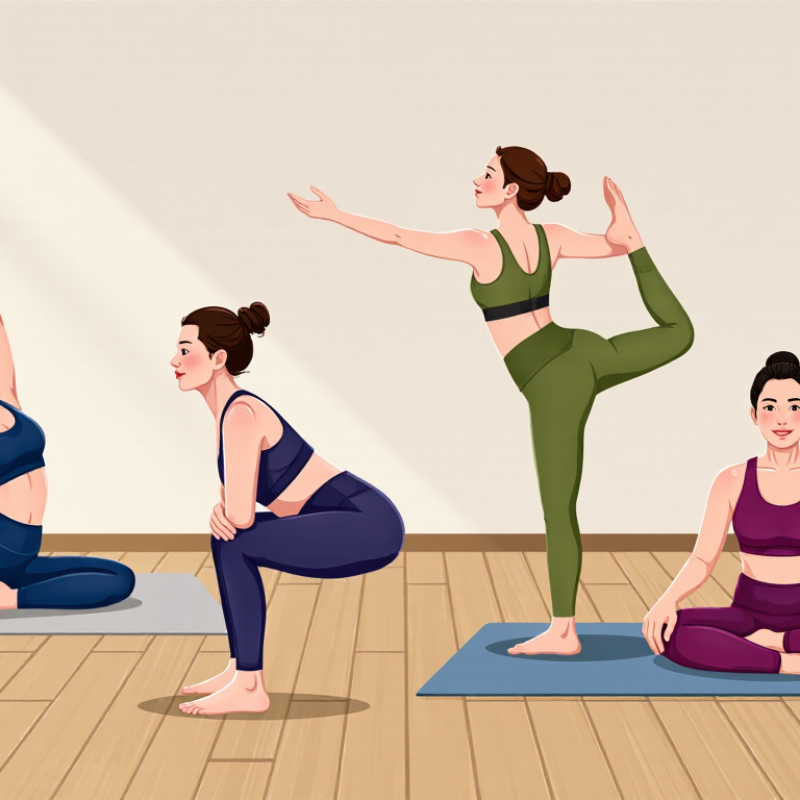
What Makes Yoga Pants Suitable for Curvy Body Types?
Yoga pants for curvy bodies should support movement without squeezing the waist or flattening the hips. A high-rise, wide waistband helps prevent rolling during squats and forward bends. It should stay firm, but never leave deep red marks. Four-way stretch matters because hips, thighs, and glutes need different levels of flexibility. A practical fit test includes walking, sitting, stretching, and checking whether the fabric becomes transparent. Small details matter.
Professional standards can guide better choices. ASTM D2594 measures stretch and recovery in knitted fabrics, while ISO 105 tests colorfastness after washing. These tests do not guarantee comfort, though. Fit depends on accurate grading between sizes. Textile Exchange reported that global fiber production reached 124 million tonnes in 2023, with polyester representing about 57 percent. Polyester can offer strong recovery and quick drying, but fabric quality still varies widely. A dense blend with elastane may feel more secure than thin, overly glossy material.
The Global Wellness Institute valued the wellness economy at $6.3 trillion in 2023. That growth reflects rising demand for practical activewear, not only fashionable designs. For curvy wearers, a gusseted crotch can reduce seam pressure and improve mobility. Flatlock seams may also prevent rubbing around the inner thighs. I would not judge pants by compression alone. Too much compression can restrict breathing and make long sessions unpleasant. A softer waistband might perform better, even if it looks less sculpted.
China’s Top Yoga Pants for Curvy Body Types
Choosing yoga pants for a curvy body starts with fabric, not color or trends. A supportive pair should stretch across the hips without becoming transparent during squats. Look for dense nylon blends with elastane, or similarly resilient performance fibers. These fabrics usually recover better after repeated movement and washing.
Feel the fabric with both hands. It should feel smooth, firm, and flexible. Very thin material may roll, sag, or show pressure points. A high waistband can support the stomach and lower back, but it should not dig into the ribs. Wide waistbands distribute pressure more comfortably than narrow elastic. Test them while bending, sitting, and lifting one knee. If the band slides down, the fit is wrong.
Seams matter more than many shoppers expect. Flatlocked seams reduce rubbing around the inner thighs, especially during long classes. A gusset can improve movement and reduce tension at the crotch. Check that stitching looks even, with no loose threads or puckered fabric. Some pants feel perfect in a fitting room but shift during practice. I have found that a slightly firmer waistband often works better than extreme compression. Still, personal comfort varies, and sizing charts are not always accurate. Measure your waist and fullest hip, then compare both measurements before ordering.
| Evaluation Dimension | Recommended Specification | Why It Matters for Curvy Body Types | What to Check Before Buying |
|---|---|---|---|
| Main Fabric | Nylon or polyester blended with approximately 15–25% elastane | Creates a balance of stretch, recovery, durability, and close-to-body support. | Confirm the fiber percentages rather than relying only on terms such as “stretch” or “sculpting.” |
| Fabric Weight | Medium-weight, opaque knit; approximately 220–320 GSM is a useful comparison range | A denser fabric generally offers better coverage and is less likely to become transparent when stretched. | Ask for a stretch-opacity test under strong light and assess the fabric at full wearing tension. |
| Four-Way Stretch | Stretch across both the width and length of the fabric | Allows the garment to follow hip, seat, and thigh movement without restricting squats or seated poses. | Test stretch in two directions and check that the fabric returns close to its original shape after release. |
| Stretch Recovery | Firm recovery without excessive compression or a “stretched-out” appearance | Helps reduce sagging at the knees, seat, and waistband during repeated movement. | Inspect the garment after repeated stretch testing and after washing, if samples are available. |
| Waistband Height | High-rise waistband that reaches the natural waist or sits slightly above it | Provides more torso coverage and can reduce rolling during bending, twisting, and floor-based poses. | Compare the finished waistband height with the wearer’s torso length, not only the nominal size. |
| Waistband Construction | Wide waistband, typically about 7–12 cm, with stable elastic or double-layer fabric | Distributes pressure over a larger area and is less likely to dig into the abdomen. | Check for even tension, smooth edges, secure elastic anchoring, and no excessive bunching when seated. |
| Waistband Seam | Flat or low-profile seam with reinforced stitching | Reduces friction and helps the waistband remain stable without creating a visible pressure line. | Run a finger along the inside seam and look for skipped stitches, exposed elastic, or bulky joins. |
| Seat and Hip Ease | Pattern shaped for the hip-to-waist curve, with sufficient room through the seat and thighs | Helps prevent waistband gaping, horizontal stress lines, and excessive pulling across the hips. | Use garment measurements for waist, hip, front rise, back rise, and thigh circumference. |
| Gusset Design | A diamond or triangular gusset with smooth, reinforced seams | Improves mobility and distributes stress at the crotch during wide-leg and deep-flexion movements. | Check that the gusset lies flat and that stitching remains secure when the legs are extended apart. |
| Seam Placement | Side and inseam seams positioned to follow the body without crossing high-friction areas | Can improve comfort and reduce rubbing around the inner thighs and hips. | Try walking, squatting, and sitting to identify rubbing, twisting, or seam migration. |
| Stitch Type | Flatlock or other low-profile stretch seam with consistent stitch density | Supports comfort and helps seams withstand repeated stretching. | Inspect inside and outside surfaces for loose threads, uneven tension, and seam puckering. |
| Compression Level | Light to moderate, with unrestricted breathing and full range of motion | Offers a supportive feel without relying on excessive tightness to hold the garment in place. | The waistband should not roll, pinch, cause numbness, or leave deep marks after normal wear. |
| Moisture Management | Moisture-wicking synthetic knit with breathable construction | Helps move perspiration away from the skin during heated or high-intensity sessions. | Look for tested wicking information and assess whether the fabric feels clammy during movement. |
| Opacity and Coverage | Opaque in standing, bending, and squat positions | Provides confidence and coverage where fabric is under the greatest tension. | Perform a squat test in bright light and check front, back, and side views. |
| Size Selection | Choose by the largest relevant body measurement, especially hip or thigh circumference | Reduces excessive fabric tension and helps preserve opacity, seam integrity, and waistband comfort. | Compare the brand-neutral garment measurements with personal measurements; do not size down solely for compression. |
Choosing yoga pants for a curvy body starts with shape, movement, and comfort. For pear-shaped figures, high-rise pants with a wide, supportive waistband can balance fuller hips. A slightly flared leg may create a smoother line without feeling restrictive. Hourglass figures often suit contoured waistbands and four-way stretch fabric. Look for seams that follow the body, not cut across the fullest areas.
For rounder midsections, leggings with gentle compression and a higher front rise can reduce rolling during bends. Full-length styles may feel more secure than cropped designs. Athletic, curvy figures can try straight-leg or bootcut yoga pants for extra room around strong thighs and calves. Fabric matters too. A squat test can reveal sheerness, waistband gaps, or uncomfortable seams. I once assumed tighter pants offered better support, but excessive compression made breathing and movement harder.
Tips: Measure your waist, hips, and inseam before shopping. Choose the size matching your largest measurement, then check the waistband while sitting. Bend, stretch, and walk several steps. Pockets should lie flat. If fabric pulls at the hips, try a different cut instead of sizing down. Fit advice is not perfect for everyone; personal comfort should guide the final choice.
When evaluating yoga pants for curvy body types, comfort should come before appearance. A soft, breathable fabric can reduce pressure around the waist and hips during long sessions. Look for a wide waistband that stays flat without cutting into the stomach. The gusset should allow natural movement without pulling at the inner thighs. Small details matter.
Flexibility is easier to judge through movement. Try deep squats, seated stretches, and gentle lunges. Observe whether the fabric feels tight across the hips or knees. A four-way stretch usually supports wider movement, but stretch alone is not enough. The material should recover after use. If the knees remain baggy after one workout, the fabric may lack resilience. I once chose pants by softness alone, and they became uncomfortable during floor exercises.
Size accuracy requires more than reading the label. Measure the waist, fullest hip area, and inseam with a relaxed tape. Compare those numbers with the actual size chart, not a familiar size name. Different suppliers may use different grading standards. For curvier figures, hip measurements often matter more than waist measurements. Check the rise carefully, too. A low rise may slide down, while an overly high rise can feel restrictive. A squat test in natural light can reveal sheerness and unwanted seams. I still think size charts should explain fabric stretch more clearly; many do not.
This 100-point evaluation framework gives the greatest weight to waistband stability and squat opacity, followed by four-way flexibility and accurate sizing. Moisture management remains important but has a lower influence on overall fit comfort.
China’s strongest options often come from specialized activewear manufacturers in Zhejiang, Guangdong, and Fujian. These production areas offer flexible sizing, stretch fabrics, and custom pattern development. Search verified wholesale directories, sourcing platforms, and professional textile trade fairs. Look for factories that show clear size charts, fabric details, and production photographs.
Ask for samples before placing a larger order. A reliable supplier should explain fabric composition, recovery, waistband height, and seam construction. For curvy bodies, test the pants while squatting, walking, and sitting. The waistband should stay flat without digging into the stomach. A gusset can improve comfort, while four-way stretch helps prevent fabric stress around the hips.
Request measurements for the waist, hip, thigh, inseam, and front rise. Do not trust “one-size” claims without testing. A sample may feel comfortable but become sheer under strong light or lose shape after washing. I once focused too heavily on attractive product photos and overlooked thigh grading. That mistake changed my checking process. Ask for independent fabric tests when possible, including colorfastness and stretch recovery. Read recent buyer feedback carefully, especially comments about sizing consistency, delivery records, and communication. The best supplier is not always the cheapest. Reliability shows in details.
Choose dense nylon blends with elastane or similar resilient fibers. They should stretch over the hips without becoming transparent. Feel the fabric first. It should feel smooth, firm, and flexible.
A high, wide waistband can support the stomach and lower back. It should stay flat without digging into your ribs. Sit, bend, and lift one knee. If it slides down, the fit is wrong.
Flatlocked seams can reduce rubbing around the inner thighs. A gusset may improve movement and reduce crotch tension. Check for even stitching, loose threads, or puckered fabric. Small details matter.
Pear-shaped figures may prefer high-rise pants with wide waistbands. Slightly flared legs can balance fuller hips. Hourglass figures may suit contoured waistbands and four-way stretch. Fit varies.
Choose a higher front rise and gentle compression to reduce rolling. Full-length styles may feel more secure than cropped designs. Avoid excessive tightness. Breathing still matters.
Straight-leg or bootcut pants can provide more room around strong thighs and calves. If fabric pulls across the hips, try another cut. Do not automatically size down.
Measure the waist, fullest hip, and inseam. Match the size to the largest measurement. Squat, walk, sit, and stretch. Check for waistband gaps, sheerness, and shifting fabric. One test helps, but it cannot reveal everything.
Request samples and detailed measurements for the waist, hip, thigh, inseam, and front rise. Ask about fabric recovery, waistband height, and seam construction. Check the pants under strong light. Wash them too, if possible.
Look for colorfastness, stretch recovery, sizing consistency, and flat pockets. Review recent buyer feedback about delivery and communication. Attractive photos can mislead. I once overlooked thigh grading, and that changed my checking process.
Finding the right yoga pants for a curvy body type means prioritizing comfort, support, flexibility, and accurate sizing. The best options typically use soft, breathable, and stretchable fabrics that move with the body without becoming transparent. A wide, high-rise waistband can provide gentle tummy support and stay in place during movement, while carefully designed seams help reduce chafing and create a flattering fit. When asking, “what are the best yoga pants for curvy body types,” shoppers should consider their body shape, preferred coverage, and the level of support needed for different activities.
Different styles may suit pear, hourglass, apple, or athletic curves, so fit should be evaluated through waistband comfort, hip and thigh room, stretch recovery, and freedom of movement. Accurate size charts, inclusive measurements, and customer feedback can also help prevent sizing mistakes. China offers many yoga-pants manufacturers and suppliers with diverse fabrics, construction methods, and customization options, making it possible to find comfortable, durable, and well-fitting choices for curvy figures.

DYR Fashion