Choosing the right yoga pants for hot weather workouts can greatly influence your performance and comfort. Understanding how to choose yoga pants for hot weather workouts is crucial for enhancing your experience. The right fabric can wick away moisture and keep you cool. High-quality materials like nylon or spandex blend can provide breathability.
Fit is also essential. Loose-fitting pants might not offer the support you need for intense workouts. On the other hand, extremely tight pants can restrict movement. When purchasing, consider your body type and personal style.
Don’t forget about the design. Look for features like mesh panels for ventilation. Reflect on your typical workout routine; some pants work better for yoga, while others are better for running. Every choice matters. Thus, understanding your specific needs is vital. The right pair of yoga pants can enhance your performance and boost your confidence in any workout setting.
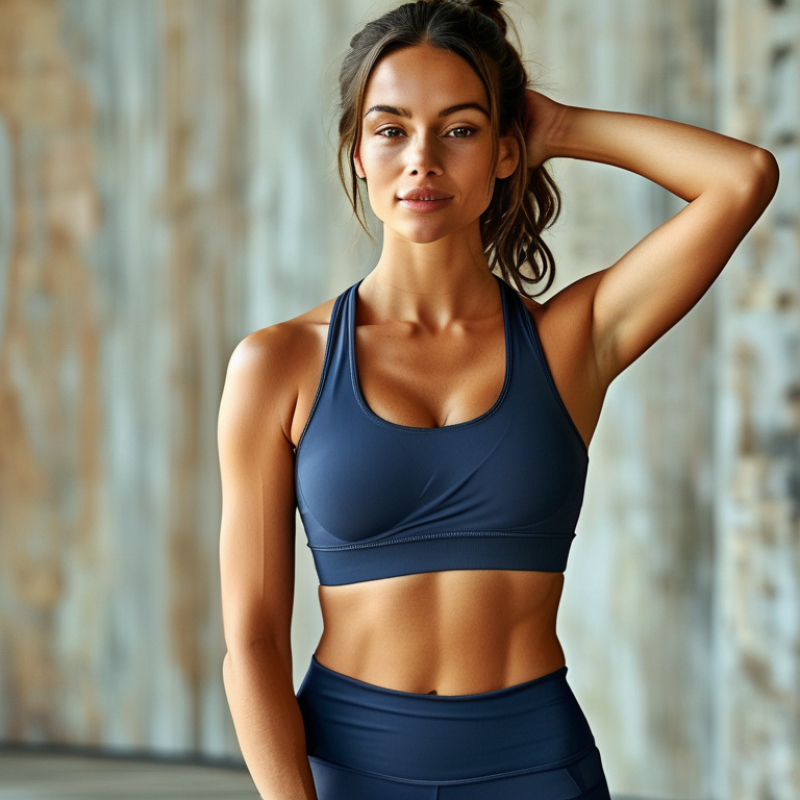
When selecting yoga pants for hot weather workouts, understanding fabric types is crucial. Breathability and moisture-wicking are vital. Breathable fabrics allow air to circulate. This keeps you cooler and more comfortable. Cotton is breathable but can hold moisture, making it less ideal for intensive sessions.
Moisture-wicking fabrics draw sweat away from the skin. This feature helps you stay dry during your practice. Nylon and polyester blends often provide this benefit. They offer durability and flexibility too. Look for pants labeled as moisture-wicking for best results.
Tip: Always check the fabric content before purchasing. Focus on blends that promote breathability and moisture management.
Not all yoga pants are created equal. Some may feel good in-store but perform poorly in heat. It's wise to test them during a workout. You may need to experiment with various brands and styles. Remember, comfort is key. Pay attention to how the pants move with you. Proper fit can enhance your performance significantly.
Choosing the right yoga pants for hot weather workouts involves several crucial features. Fit is one of the most important aspects. Opt for pants that hug your body well but allow freedom of movement. A too-tight fit can restrict airflow and cause discomfort. Conversely, pants that are too loose may slip or chafe, distracting you during your practice. Finding that sweet spot can greatly enhance your workout experience.
Length plays a significant role as well. Capris or ankle-length options are often recommended for warm climates. They provide coverage without trapping heat. Look for styles that are breathable and lightweight. Additionally, consider the design of the pants. Moisture-wicking fabrics can help keep you dry. Some designs feature mesh panels for extra ventilation. These details can make a substantial difference in your comfort level.
While aesthetics matter, practicality should not be overlooked. Think about your workout intensity. High-energy sessions may require sturdier construction. However, this can sometimes lead to greater weight, which isn’t ideal for sweltering conditions. Reflect on your preferences and workouts to find the best balance. Each feature impacts how yoga pants feel during your sessions. Make choices that suit your unique needs.
When choosing yoga pants for hot weather workouts, UV protection plays a crucial role, especially for outdoor sessions. The summer sun can be intense, and prolonged exposure to UV rays can lead to skin damage. Look for fabrics that offer UV protection ratings. These materials can shield your skin while you practice yoga under the sun.
Lightweight, breathable fabrics are essential in hot weather. They should wick away moisture and allow air circulation. Fitted designs and high waistbands can provide comfort and support. However, not all UV-protective options are created equal. Some may lack stretch or comfort, making them less suitable for yoga. It’s important to balance protection with the freedom of movement.
Consider darker colors, as they usually offer better UV blocking. Still, they might retain heat more than lighter shades. Reflect on your preferences when choosing the perfect pair. Sometimes, sacrificing style for better functionality can enhance your overall experience. Opt for pants that keep you cool while safeguarding your skin.
Choosing the right yoga pants for hot weather workouts is essential for comfort and performance. Sizing and stretch matter greatly. Pants that are too tight can cause discomfort. Loose options might not stay in place during your routine. Look for a fit that allows freedom of movement without being overly baggy.
When considering sizing, know your measurements. Refer to size charts carefully. Fabrics that contain spandex or elastane provide the necessary stretch. These materials support your movements without restricting them. Look for a mid-rise or high-rise waistband, as it offers better coverage. This is especially useful during poses that require bending.
Tip: Try different sizes when shopping. You might find a smaller size fits better due to the stretch. Also, remember that hot weather may cause you to sweat, making some fabrics slide more than others.
Choosing lightweight fabrics is vital. Breathable options like moisture-wicking materials help keep you cool. Loose or mesh panels can improve airflow. However, test them in a hot environment to see how they perform. Avoid thick materials that can trap heat.
Tip: Layering with light tank tops can enhance comfort. Aim for a balanced look and feel for your overall workout outfit. Check your mobility in your chosen pants before committing. This ensures they won’t hinder your practice.
| Material | Breathability | Stretch | Moisture-Wicking | Size Options |
|---|---|---|---|---|
| Nylon Blend | High | Excellent | Yes | XS - XL |
| Cotton | Medium | Moderate | No | S - L |
| Polyester | High | Good | Yes | XS - XXL |
| Spandex | Medium | Excellent | Yes | S - M |
| Bamboo Fleece | High | Good | Yes | M - L |
When selecting yoga pants for hot weather workouts, sustainability becomes crucial. Traditional materials can harm the environment. Reports show that over 60% of clothing is made from synthetic fibers, which take centuries to decompose. This raises questions about our choices and their impact.
Opting for eco-friendly fabrics can enhance comfort while reducing ecological footprints. Materials like organic cotton and bamboo are breathable and biodegradable. Studies indicate that organic cotton uses 91% less water than conventional methods. However, not all sustainable brands are transparent about their supply chains, leaving consumers uncertain. It’s essential to research and ensure that brands truly uphold sustainable practices.
Moreover, consider the durability of materials. Eco-friendly options should also withstand repeated use. Yet, some may find that organic blends do not offer the same stretch and recovery as synthetics. Balancing eco-friendliness with performance can be tricky. It often requires a deeper investigation into the material science behind these fabrics and how they hold up under strenuous exercises.
: UV protection is crucial to shield your skin during outdoor workouts. Prolonged sun exposure can cause skin damage.
Look for lightweight, breathable fabrics that wick moisture and allow air circulation. Comfort and support are essential.
No, not all options offer the same comfort or stretch. Some may restrict your movement, affecting your practice.
Darker colors typically provide better UV blocking. However, they may retain more heat than lighter shades.
Sizing matters greatly; too tight is uncomfortable, while loose may shift. Look for a fit that allows movement.
Eco-friendly fabrics like organic cotton are better for the environment. However, ensure these materials offer sufficient durability.
In hot weather, you may sweat more, causing some fabrics to slide. Consider trying different sizes for a better fit.
Avoid thick materials that trap heat. They can lead to discomfort during workouts, so opt for breathable options instead.
Not necessarily. Some sustainable materials may lack the same stretch and recovery as synthetic options, needing careful selection.
Layering with light tank tops can enhance comfort. Make sure your outfit allows for a balanced look and feel.
When considering how to choose yoga pants for hot weather workouts, understanding the types of fabrics is crucial. Look for materials that offer both breathability and moisture-wicking properties to keep you comfortable during intense sessions. Additionally, selecting the right fit, length, and design can significantly impact your overall workout experience. Features such as UV protection are also essential for outdoor activities during the summer months, ensuring you stay protected from harsh sun rays.
Furthermore, it's important to consider sizing and stretch to ensure optimal comfort. The right balance will allow for ease of movement while practicing yoga in the heat. Lastly, opting for sustainable materials can contribute to eco-friendly choices, aligning your workout gear with environmentally conscious values. By keeping these factors in mind, you can effectively select yoga pants that enhance your hot weather workouts.

DYR Fashion