Choosing running apparel should begin with movement, comfort, and the conditions outside. That is why many athletes consider yoga pants for running and training. Their flexible fabric follows deep squats, long strides, and fast changes of direction. A well-designed pair can feel like a second layer of skin. Fit matters.
Running coach Jason Fitzgerald offers a useful principle: “Choose clothing that supports your run without demanding attention.” That idea explains the appeal of yoga pants. Look for moisture-wicking fabric that dries quickly after a sweaty interval session. Check whether the waistband stays flat during hill sprints. A drawcord can prevent slipping, especially when carrying keys or a phone. Practical pockets help.
Not every yoga pant belongs on a running route. Some fabrics hold heat, collect sweat, or become transparent under bright light. Thick seams may rub the inner thigh after several miles. I have made that mistake. A mirror test is not enough. Walk, squat, jog, and stretch before buying. Test it.
When learning how to choose yoga pants for running and training, consider weather as carefully as style. Lightweight materials suit warm, humid days. Brushed, insulating fabrics may work better for cool mornings. Reflective details improve visibility near traffic, but they cannot replace safe routes and proper lighting. A secure fit should never feel restrictive. Your breathing should remain easy.
The right choice is personal, and preferences can change. A runner may prefer compression for intervals but softer fabric for mobility work. That is normal. Start with the session, then judge the pants by how quietly they perform. Good gear should help you focus on pace, balance, and steady effort—not constant adjustment.
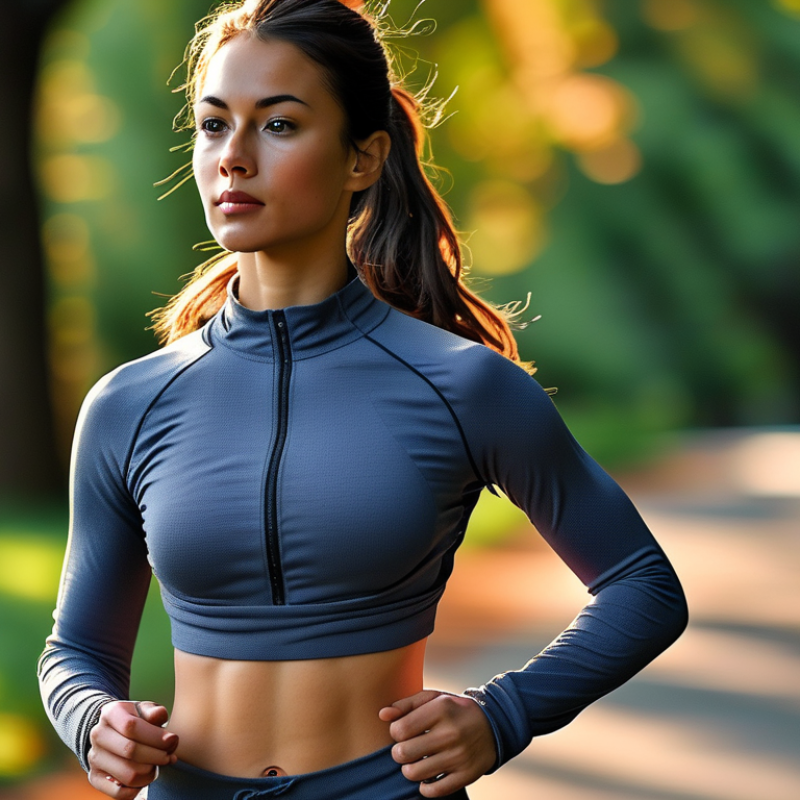
What defines yoga pants for running and training? The answer starts with controlled stretch, not softness alone. A useful pair should move with deep squats, lunges, and repeated strides. Four-way stretch helps the fabric follow your hips and knees without pulling at the waistband. It should also recover after movement, rather than becoming loose by the end of a session. I look for a close fit that stays comfortable without squeezing the stomach.
Fabric performance matters during real workouts. A breathable, sweat-wicking blend can move moisture away from the skin and reduce the heavy feeling of wet clothing. Flat seams help prevent rubbing around the inner thighs, especially during longer runs. A gusseted crotch can improve mobility and reduce seam pressure. The material should remain opaque during squats and forward bends. Bright light can reveal problems that a fitting room mirror misses.
Practical details define the difference. A wide waistband should stay flat when I run, but it should not roll during floor exercises. A secure pocket can hold a key or small card without bouncing. I once chose a very soft pair that felt excellent during yoga, yet trapped heat during intervals. That mistake changed my testing routine. Now I check breathability, seam comfort, and waistband stability across several movements. No fabric solves every problem. Thicker material may feel supportive, but it can become uncomfortable in warm weather. Fitness level, climate, and personal fit still matter.
: They should stretch in four directions and recover after squats, lunges, and repeated strides. A close fit helps, but tightness can become distracting.
A wide waistband should stay flat while running, bending, and exercising on the floor. It should support your middle without squeezing it.
They move sweat away from the skin and reduce a cold, sticky feeling. Quick-drying fabric helps after intervals or indoor cycling. Cotton may stay damp longer.
Flat seams can reduce rubbing around the inner thighs. A gusseted crotch may improve movement and reduce pressure. Small details matter during long sessions.
Try deep squats, forward bends, lunges, and a short jog before training hard. Watch for pulling near the knees or hips. A fitting-room mirror is not enough.
Yes. The fabric should remain non-transparent across the hips and knees. Check this during squats and stretching, especially under bright light.
No. Thicker material may feel supportive but become hot in warm weather. Lightweight fabric can feel cooler, though it may seem less secure. I still question my first impression.
A secure pocket can hold a key or small card without bouncing. Weather protection and visibility may matter more than softness outdoors. Climate changes the best choice.
Yoga pants designed for running and training combine flexible construction, supportive fits, and breathable materials to help the body move comfortably through warm-ups, steady runs, strength exercises, and stretching. Their value comes from freedom of movement, reduced distractions, and fabric features such as moisture management, quick drying, stretch recovery, and reliable coverage. A well-designed pair should feel secure without restricting the waist, hips, knees, or ankles, while seams and panels should minimize irritation during repeated motion.
When considering how to choose yoga pants for running and training, match the design to your activity, climate, and personal comfort. Lightweight, breathable styles may suit running, while more supportive and opaque fabrics can work better for lifting or studio workouts. Check the fit through squats, lunges, and running strides, and look for practical details such as a stable waistband and useful pockets. Proper washing, air drying, and regular inspection can help preserve elasticity, comfort, and safety over long-term use.

 DYR Fashion