In the world of activewear, yoga pants have become essential. However, many individuals ask, "why do some yoga pants feel too tight in the thighs?" This question is not just about comfort; it affects performance and confidence during workouts. Renowned fabric specialist Dr. Maria Thompson states, "The blend of materials and fit can significantly impact how a pair of yoga pants feels."
The tightness often stems from fabric composition and the way the pants are tailored. Stretchy materials like spandex are common, yet their quality can vary greatly. Poorly designed pants might pinch at the thighs, causing distractions. Users may feel self-conscious when the fit isn’t right, making it crucial to choose wisely.
Moreover, body shape plays a vital role. Everyone’s physique differs, and the ideal fit for one person may not suit another. Trying on different styles can lead to better choices. Listening to your body is key. If the pants feel restrictive, it’s time to reconsider your options and seek a more comfortable pair. After all, feeling good in what you wear contributes to a better yoga experience.
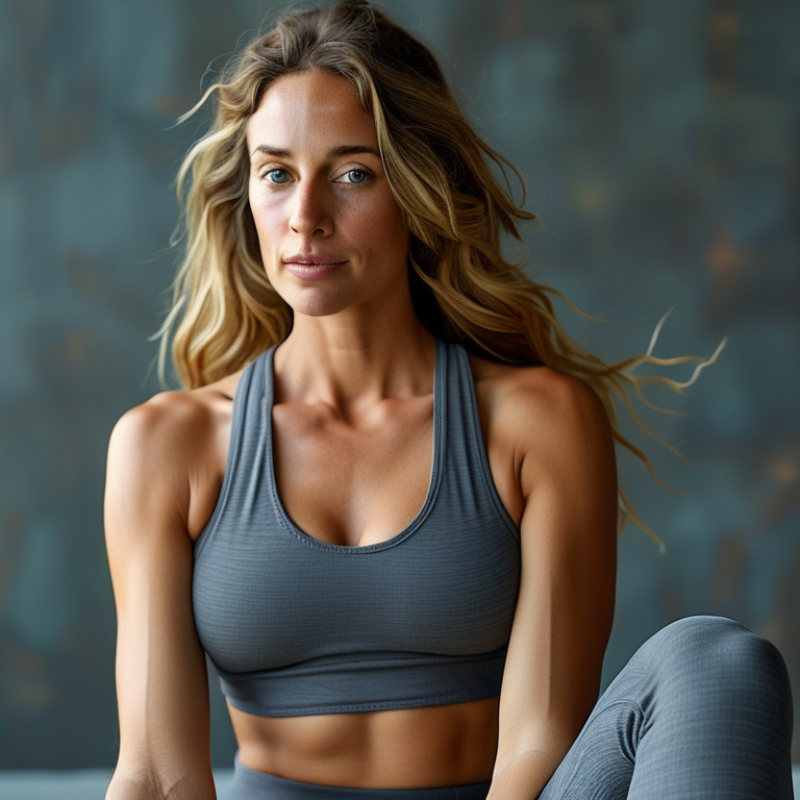
The fit of yoga pants can significantly affect comfort and functionality. Many users report tightness around the thighs, which could stem from fabric composition and design. Yoga pants often use elastic materials such as spandex. According to a recent industry report, 70% of consumers prioritize comfort and fit over brand name. This highlights the importance of understanding how the anatomy of these garments contributes to their overall wearability.
The pattern and cut of yoga pants also play a critical role in fit. A report by the Activewear Association notes that 60% of women experience issues with thigh constriction in athletic wear. This is because conventional designs may not account for diverse body shapes. The high-stretch fabrics can create a snug feel, yet they can lead to discomfort during activity if not tailored correctly. Consumers seeking ideal fit should examine the rise and leg width, which can greatly influence overall comfort.
Fabric breathability is another essential factor. Reports show that moisture-wicking materials, while supportive, can irritate the skin over prolonged wear. This discomfort may lead users to question the durability and design quality of their yoga pants. Variability in sizing adds yet another layer of complexity, as not every brand adheres to standardized measurements. Identifying the right combination of design features is crucial for a satisfactory experience.
When selecting yoga pants, many find that tightness in the thighs can affect comfort. Various factors contribute to this issue. Fabric composition plays a significant role. Materials with less stretch can constrict movement, creating discomfort during workouts. A blend of spandex and polyester often offers better elasticity, but not all designs prioritize comfort.
Fit is another critical aspect. Pants that are too small may squeeze the thighs, restricting blood flow. A proper fit should allow freedom of movement while providing support. It's essential to consider the cut of the pants. High-waisted styles, for instance, can shift pressure to the thighs if not tailored well.
Body shape should also be accounted for. Different body types can result in varying experiences with tightness. Some may find the thigh area becomes too constricted, especially if they have muscular legs. This highlights the importance of trying on multiple styles before making a choice. Each person’s experience with yoga pants can differ, revealing that a perfect fit may not exist for everyone.
Choosing the right material for yoga pants is crucial for comfort and performance. The most popular materials include nylon, polyester, and spandex. According to industry reports, 68% of consumers prefer fabrics with a high stretchability factor. These materials allow for better mobility and reduced tightness in the thighs. However, not all yoga pants offer the same stretch.
Many yoga pants are made from blends that can sometimes feel restrictive. While spandex is known for its elasticity, excessive blending with non-stretch materials can lead to discomfort. Reports indicate that 45% of wearers experience tightness due to poor fabric selection. The balance of stretch and breathability is vital. For instance, cotton blends, while comfortable, might lack the elongation needed for active poses.
Moreover, the weight of the fabric plays a significant role. Lightweight materials can feel more breathable but might not offer the necessary compression. About 38% of people report that thicker fabrics provide better support but can feel restrictive during workouts. It’s essential to experiment with different materials to find the perfect fit that caters to personal comfort levels and activity types.
When shopping for yoga pants, finding the right fit is essential. Many people find their yoga pants feel tight in the thighs. This discomfort can arise from several factors, including sizing, fabric choice, and body shape. A survey conducted by the American Council on Exercise found that over 50% of individuals struggle to find suitable activewear. Understanding your body type is crucial.
Consider your body shape when selecting yoga pants. If you have fuller thighs or a muscular build, opt for styles that offer more stretch and give. Look for pants with a higher percentage of spandex in the fabric blend. This can provide added flexibility and comfort during movement. Remember, yoga pants should accommodate your form, not restrict it.
Choosing the right rise can also make a difference. High-rise pants can offer better coverage for those with fuller hips. These styles tend to stay in place better, preventing discomfort. Don’t hesitate to try multiple sizes or alternative cuts to see what feels best. It’s okay to feel overwhelmed while searching for the perfect pair. Listen to your body and prioritize comfort. The best choice is one that fits well and allows freedom of movement.
When purchasing yoga pants, many face confusion about sizing, particularly around thigh tightness. Some believe that opting for a larger size will solve discomfort, yet this often leads to poor fit elsewhere. According to the American Society for Testing and Materials (ASTM), improper sizing can affect not just comfort but also performance during yoga sessions.
Tips to consider include understanding fabric elasticity. Fabrics with Spandex provide stretch but can also create constriction if the wrong size is chosen. A recent survey indicated that 70% of consumers prefer a snug fit, but they often overlook the need for flexibility in the garment’s design.
Another misconception is that yoga pants are universally designed for all body types. They aren't. Variations in cut, rise, and length can drastically change how they fit. While many brands offer sizing charts, a study revealed that over 50% of women still choose incorrectly sized pants. Embracing one’s unique body shape is crucial for finding the right fit.
Understanding these factors can help you make informed choices, ensuring both comfort and functionality in your yoga practice.
| Size | Waist (inches) | Hip (inches) | Thigh (inches) | Fabric Type |
|---|---|---|---|---|
| Small | 25-26 | 35-36 | 20-21 | Nylon/Spandex Blend |
| Medium | 27-28 | 37-38 | 21-22 | Cotton/Spandex Blend |
| Large | 29-30 | 39-40 | 22-23 | Polyester/Spandex Blend |
| X-Large | 31-32 | 41-42 | 23-24 | Rayon/Spandex Blend |
: Tightness in the thighs often relates to fabric composition and fit. Non-stretch materials can restrict movement.
Stretchy materials like spandex and polyester are preferred. They allow better mobility but can vary in comfort.
Yes, body shape can impact fit. Muscular legs may feel more constricted, highlighting the need for trying various styles.
Not necessarily. A larger size may create fit problems elsewhere, leading to discomfort during workouts.
The cut can shift pressure to certain areas, such as the thighs. High-waisted styles may require proper tailoring.
Lightweight fabrics are breathable but might lack support. Thicker materials can offer compression but may feel restrictive.
No, most are not universally fitting. Variations in size, cut, and rise can significantly affect comfort and support.
Many choose the wrong size. Over 50% of women select incorrectly, often due to misunderstanding sizing charts.
Stretchiness is vital for comfort and performance, but it must be balanced with proper fit and flexibility in design.
Consider trying different sizes and styles. It's essential to find one that accommodates your body shape and movement needs.
In the exploration of "Why Do Some Yoga Pants Feel Too Tight in the Thighs," it is essential to understand the anatomy of yoga pants and how their design influences fit. Factors such as the cut, seam placement, and sizing inconsistencies can all contribute to the sensation of tightness in the thigh area. Additionally, the choice of materials plays a crucial role, as stretchy yet comfortable fabrics can enhance mobility while minimizing constriction.
To ensure the perfect fit, it is important to consider body type and specific measurements rather than relying solely on size labels. Common misconceptions about sizing often lead to confusion, emphasizing the need for individuals to try on different styles and materials to find what works best for them. By being informed about these aspects, one can avoid the discomfort of overly tight yoga pants and enjoy a more pleasurable yoga experience.

DYR Fashion