Engineered for endurance, sculpted for shape, and manufactured under international standards.
The global activewear sector is transitioning from standard fitness wear to high-performance bio-functional apparel. No longer viewed simply as compression apparel, modern gym leggings must fulfill strict mechanical, structural, and physiological criteria. The convergence of athleisure and active sports has catalyzed new demands for high-elongation textiles, ecological footprint reductions, and validated physiological benefits.
Recent market evaluations indicate that the demand for multi-functional gym leggings has grown exponentially, driven by consumer expectations of durability and versatility. Consumers look for leggings that provide seamless transitions from intensive anaerobic conditioning to daily work environments. In response, modern manufacturers focus on engineered yarn compositions, such as 75% Nylon and 25% Spandex blends, designed for 3D body sculpting while maintaining durability over time.
For brands and distributors sourcing at scale, this transition means that product specifications are highly technical. The emphasis has shifted to yarn configurations, specialized knitting machinery, certified skin safety (OEKO-TEX Standard 100), and compliance with international standards such as CE certification. Companies that fail to adapt their supply chains to these requirements face challenges in highly regulated markets like Europe and North America.
Deciphering the regulatory framework, material testing, and technical specifications demanded by global distributors.
CE marking ensures that activewear meets EU safety, health, and environmental protection requirements, focusing on skin safety and non-toxic dyes (REACH compliance).
High-load zones utilize four-way stretch fibers that resist seam displacement under dynamic tension, maintaining performance properties through repeated laundering cycles.
Using capillary action yarn dynamics, moisture is drawn away from the skin and spread across the outer surface to speed up evaporation during training.
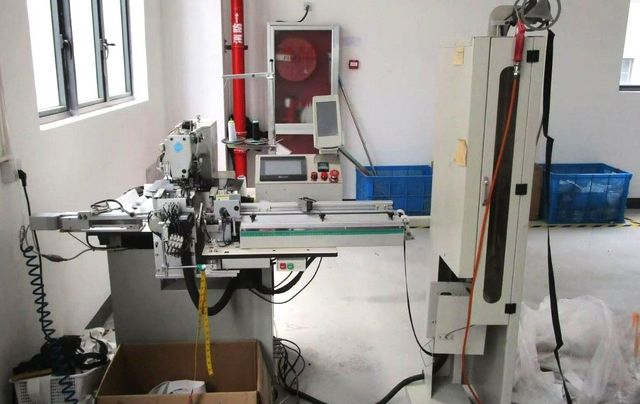
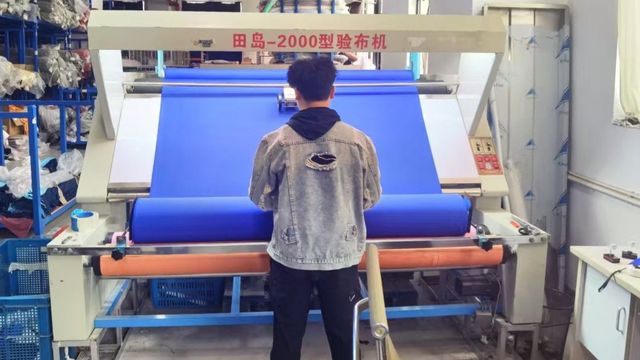
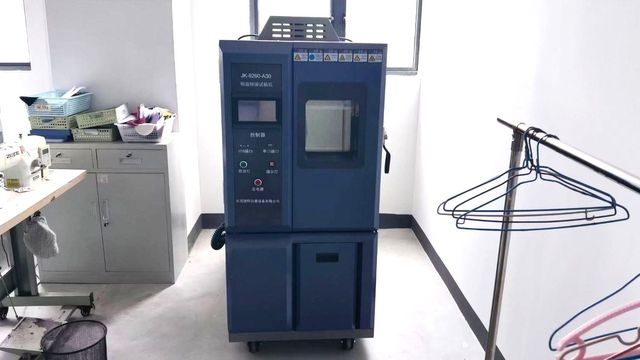
From a procurement perspective, supply chain due diligence requires auditing suppliers on both chemical and structural safety. Reputable factories employ testing protocols like tensile testers, colorfastness machines, and wash cycle simulators. This testing ensures that leggings, whether designed for yoga or high-intensity interval training (HIIT), keep their compression profile and structural integrity over time.
In addition, sustainable sourcing has become standard in major markets. Importers look for factories that can integrate Recycled Nylon (GRS certified) and organic cotton alternatives without sacrificing elastomeric properties. Balancing environmental standards with compression performance is a primary focus for modern activewear production.
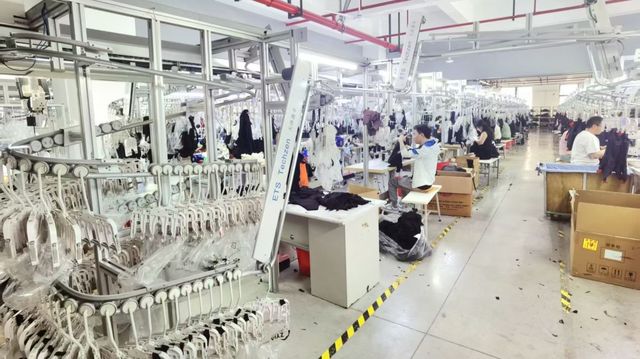
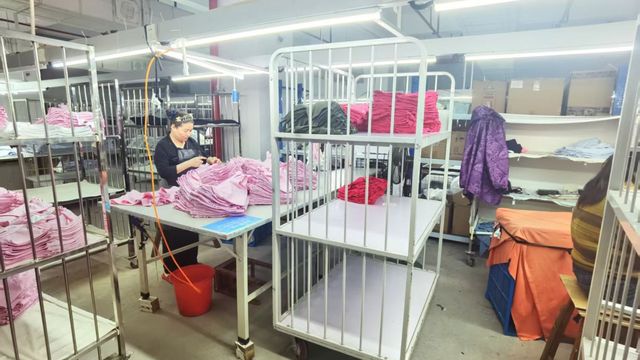
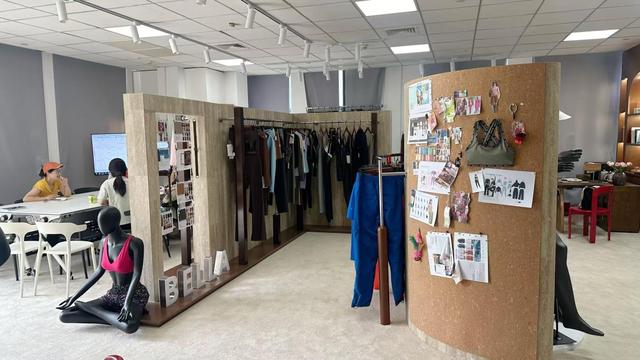
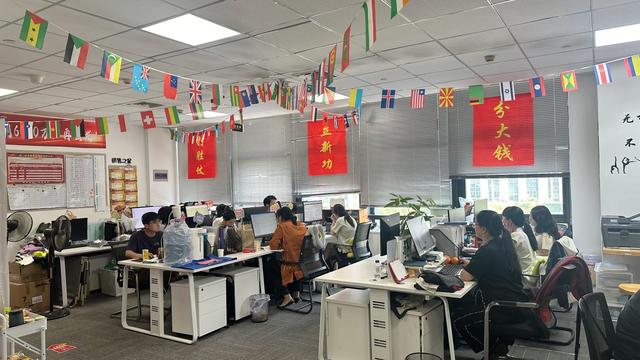
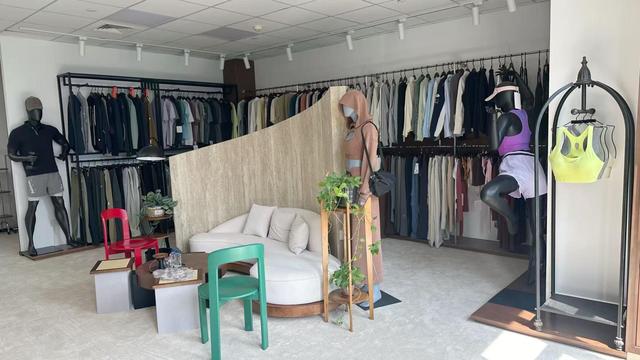
Based in the manufacturing hub of Guangzhou, China, Guangzhou DYR Fashion Co., Ltd. operates as a custom yoga pants OEM & ODM manufacturer and activewear supplier. The company manages end-to-end production pipelines for fitness brands, international distributors, and private labels worldwide.
By using modern manufacturing techniques, DYR Fashion handles the entire product cycle—from initial trend analysis and customized fabric development to pattern design, fast prototyping, bulk manufacturing, and international customs clearance.
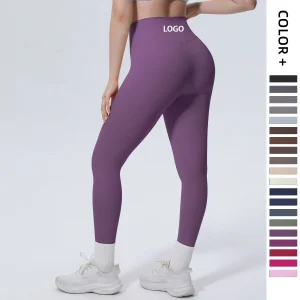
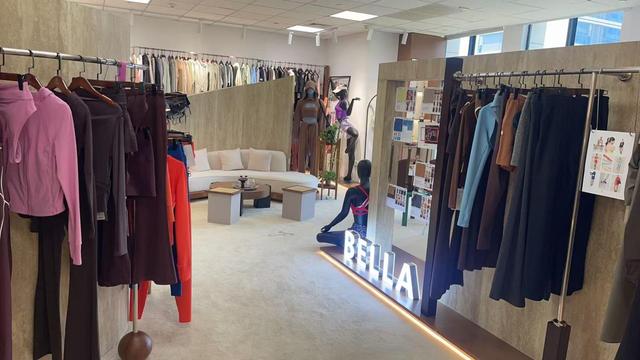
Supporting custom requirements, logo printing, tag applications, and custom colorways with minimum order quantities tailored for growing brands.
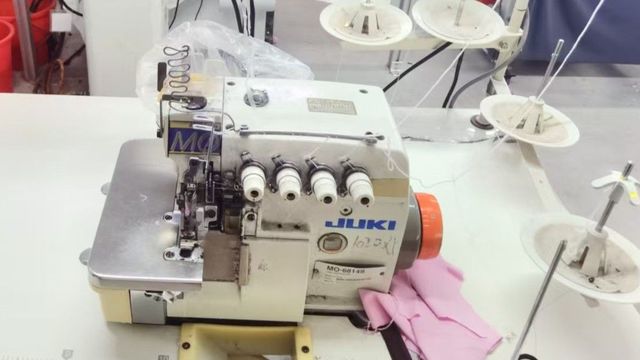
Four-needle, six-thread flatlock stitching systems ensure flat, irritation-free seams that withstand up to 120N of directional tension.
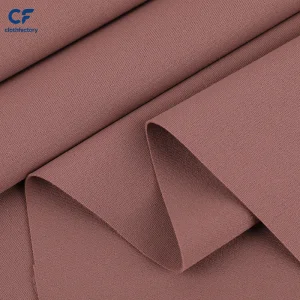
Utilizing high-performance 75% Nylon / 25% Spandex, polyester blends, and eco-friendly recycled fibers with GSM ratings from 200 to 300.
DYR Fashion operates in a region with access to extensive raw material options, trim suppliers, and advanced dye houses, allowing for fast sample turnaround times (typically 3 to 7 days). This proximity helps reduce production lead times and accelerates product launch schedules for partners.
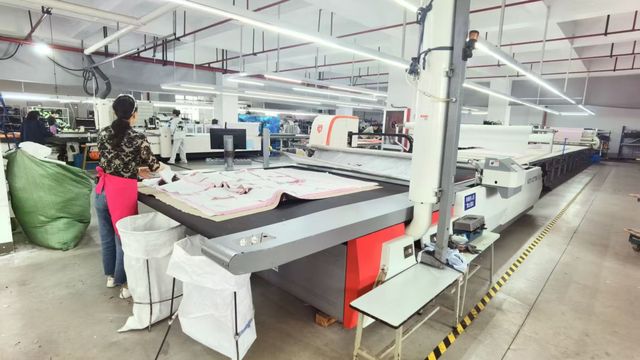
Additionally, the factory uses automated CAD nesting and computerized fabric cutting to minimize material waste and improve cutting accuracy. This optimization helps lower base costs, providing global clients with competitive pricing while maintaining consistent manufacturing standards.
Performance leggings serve different roles depending on the specific retail segment and workout application. Gym managers, fitness franchises, and retail brands require targeted fabric configurations to meet their customers' needs:
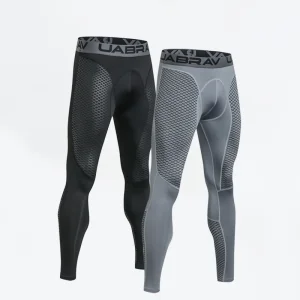
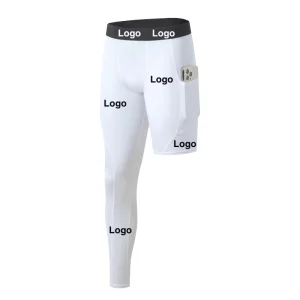
Requires high-compression nylon-spandex fabrics to support muscles and reduce vibration during high-impact movement. Features flatlock stitching and moisture-wicking technology to handle intense workouts.
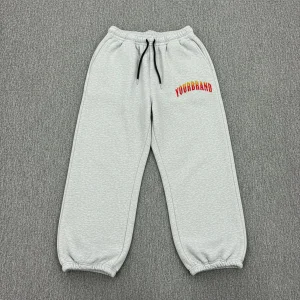
Focuses on flexibility, softness, and comfort. Utilizes double-brushed interlock fabrics that provide a gentle feel against the skin and unrestricted movement during deep stretches.
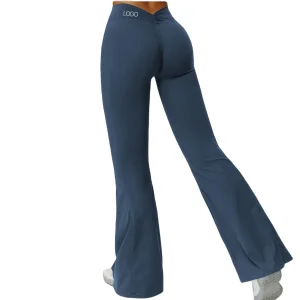
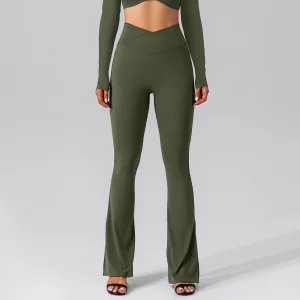
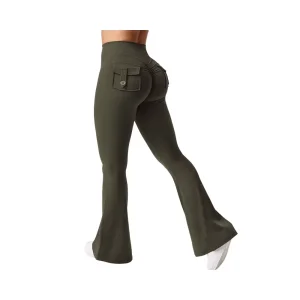
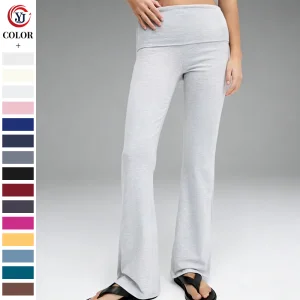
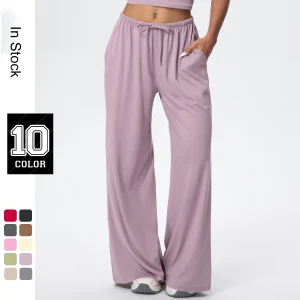
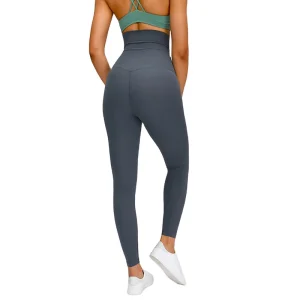
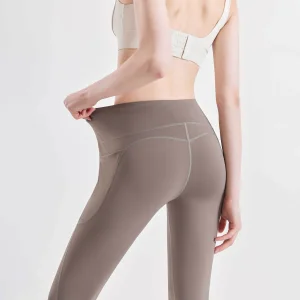
Blends fashion elements like pockets, flared silhouettes, and high-waist styling. Designed for casual, everyday wear while maintaining the functional benefits of sportswear.
Sourcing strategies vary by target consumer market. The United States, European Union, and Asia-Pacific regions exhibit distinct purchasing habits and compliance expectations:
Technical details, order processes, and factory compliance details for commercial buyers.
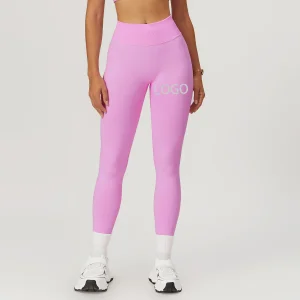
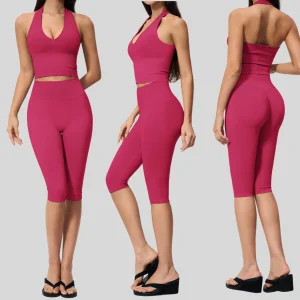
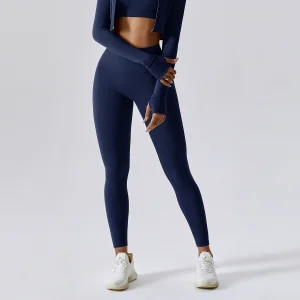
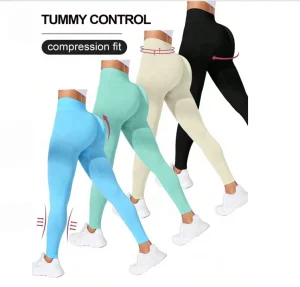
Explore our full line of functional flared pants, seamless compression tights, and lounge-wear collections.
 DYR Fashion