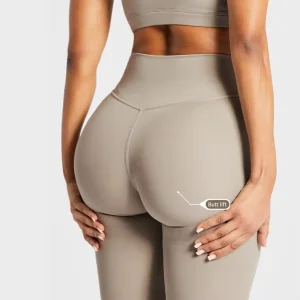
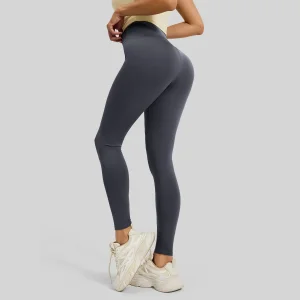
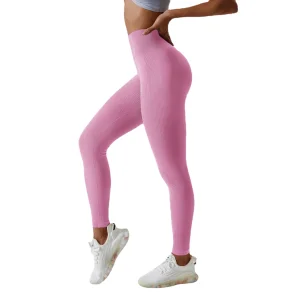
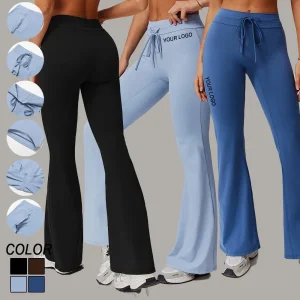
Explore our core range of custom workout pants, engineered with premium performance textiles, high flexibility, and multi-functional designs.
Uncovering the green supply chain dynamics shaping the future of global fitness apparel sourcing.
The global activewear sector is undergoing a profound transformation. Modern consumer intent has shifted from basic performance metrics to a holistic valuation of environmental stewardship, transparency, and product longevity. According to recent market analysis, the sustainable athletic wear segment is growing at an annual rate that outpaces traditional synthetic apparel. This development demands that brands seeking to maintain market share align with certified manufacturing partners capable of delivering both top-tier performance and verified ecological savings.
For sourcing directors, procurement managers, and brand founders, evaluating a sustainable workout pants factory requires looking far beyond standard marketing claims. True sustainability is embedded within the operational DNA of the factory—from closed-loop chemical systems and low-carbon energy grids to circular product designs that simplify end-of-life recycling. The challenge lies in balancing these planetary obligations with the strict functional demands of activewear: high-stretch memory, moisture-wicking capacity, anti-odor performance, and superior tensile durability.
This whitepaper addresses the critical criteria for establishing partnerships with the industry's leading eco-conscious manufacturing facilities. We investigate the technological systems, resource flows, and regulatory frameworks that distinguish premier suppliers, providing a clear blueprint for navigating the future of sustainable activewear.
An evaluation framework for selecting high-performance, eco-certified manufacturing partners.
Verification of feedstock source, ensuring post-consumer plastic waste and recycled nylon yarns are certified via Transaction Certificates (TC) under the Global Recycled Standard (GRS).
Compliance with Zero Discharge of Hazardous Chemicals (ZDHC) and OEKO-TEX Standard 100 protocols to eliminate heavy metals, phthalates, and formaldehyde from the finishing processes.
Pioneering factories are increasingly powered by onsite solar arrays or purchased green energy credits, actively reducing the carbon footprint per garment produced.
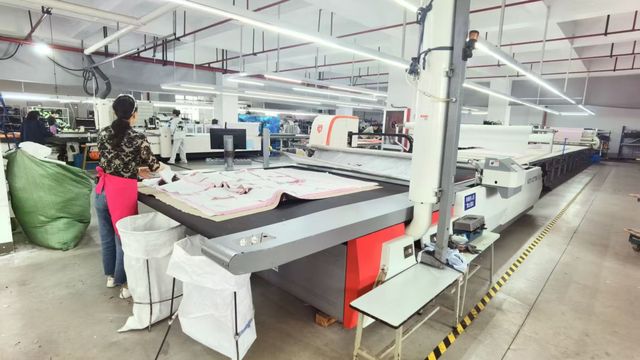
Adoption of advanced manufacturing systems such as automated nesting, ultrasonic seam sealing, and computerized knitting to minimize waste during the production phase.
An engineering overview of next-generation textiles designed for the circular economy.
Traditional activewear relies heavily on virgin polyester and nylon, both derived from petroleum refining. In contrast, sustainable workout pants factories focus on regenerating polymers from existing waste streams. Regenerated Nylon (ECONYL® / Recycled Nylon 6) utilizes ocean waste, such as fishing nets and abandoned fabric scraps. Through a chemical purification process, the waste is depolymerized back into its original monomers, producing nylon of identical purity and physical characteristics to virgin nylon. This process yields an estimated 80-90% reduction in greenhouse gas emissions compared to standard nylon production.
Similarly, Recycled Polyethylene Terephthalate (rPET) is obtained by collecting and mechanically processing post-consumer PET bottles. The bottles are shredded into flakes, melted down, and extruded into high-performance polyester fibers. These fibers are designed to meet strict benchmarks for moisture management, tensile strength, and color fastness.
To achieve the signature four-way stretch required for yoga and high-intensity athletics, factories combine recycled polymers with elastane (spandex). The industry is transitioning toward bio-based elastane options derived from renewable agricultural inputs, such as industrial corn, reducing dependency on fossil-fuel components. By optimizing knit constructions—such as interlock and double-jersey methods—manufacturers can balance durability with recovery, preventing the sagging or shape loss common in lower-quality products.
A critical challenge in the life cycle of workout pants is the release of microplastics during domestic washing. Top-tier factories address this through structural fabric construction and specialized finishing processes:
Ensuring absolute legal compliance and supply chain transparency across global markets.
For international activewear brands, compliance is an essential component of market access and brand equity. With tightening regulations surrounding environmental claims—such as the European Union’s Ecodesign for Sustainable Products Regulation (ESPR) and the FTC’s Green Guides in the United States—factories must provide audited evidence for every environmental claim.
Verifies the recycled content in products, tracing the material from source to finished garment while enforcing strict social and environmental requirements.
An independent certification testing textile raw materials, intermediates, and end products for harmful substances, ensuring the safety of workers and consumers.
Social compliance audits assessing fair wages, working hours, occupational health and safety, and the prohibition of forced or child labor.
In addition to product-level certifications, leading factories employ the Higg Index (developed by the Cascale, formerly Sustainable Apparel Coalition) to measure and evaluate facility-level impacts. By utilizing the Higg Facility Environmental Module (FEM), manufacturers monitor energy use, water consumption, wastewater discharge, and waste management. This data helps brands build reliable Life Cycle Assessments (LCAs) for their product lines.
How customized manufacturing plans support business growth across different market segments.
A premium manufacturing partner must adapt to different brand profiles. Here is how advanced factories structure their operations to support varied business requirements:
Emerging brands require agility to test market demand without high capital exposure. For these clients, factories provide low Minimum Order Quantities (MOQs) coupled with rapid-response prototype development. By utilizing digitized pattern-making and virtual 3D garment sampling, brands can refine designs and launch collections quickly, minimizing unsold inventory and material waste.
Established global retailers focus on high volume, cost efficiency, and strict delivery timelines. For these partners, factories offer automated high-throughput production lines, dedicated quality control teams, and direct EDI integration to streamline logistics. Robust risk-management plans and diversified material sourcing help insulate brands from global logistics disruptions.
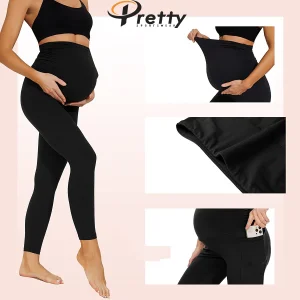
Activewear is no longer one-size-fits-all. Brands targeting specialized segments—such as high-support compression, maternity activewear, or gender-neutral designs—require specialized manufacturing capabilities. Advanced factories utilize ergonomic body-mapping technology and high-stretch, variable-tension circular knitting machines to produce garments that provide targeted support and comfort for diverse body types.
A trusted partner for custom OEM & ODM high-performance activewear production.
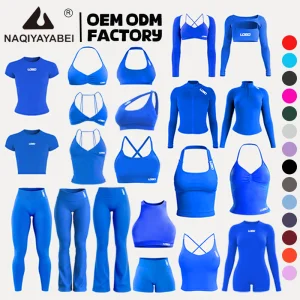
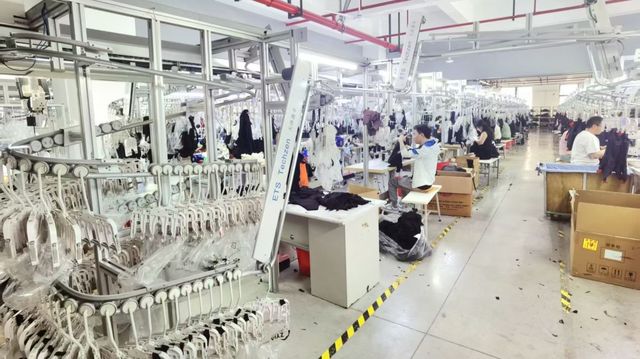
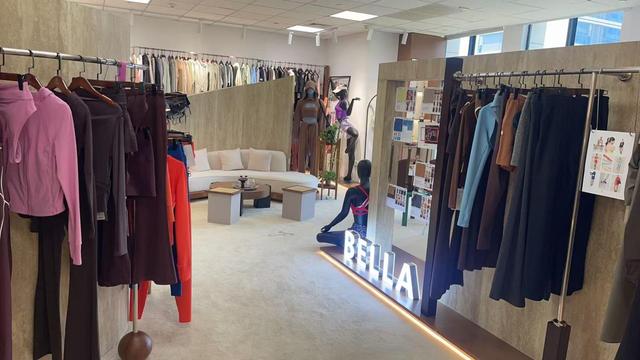
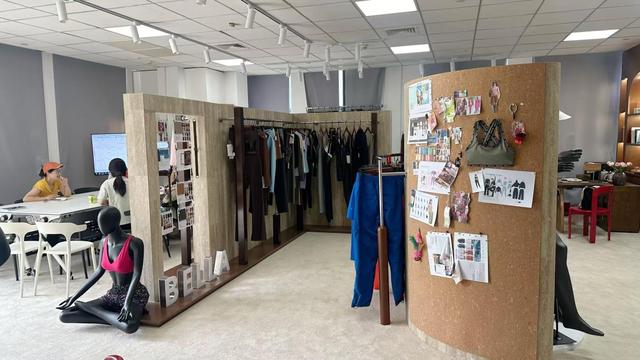
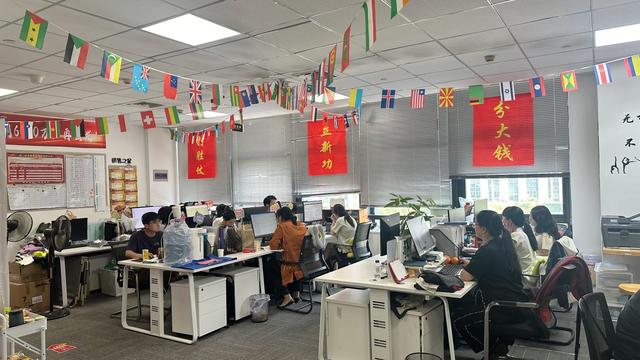
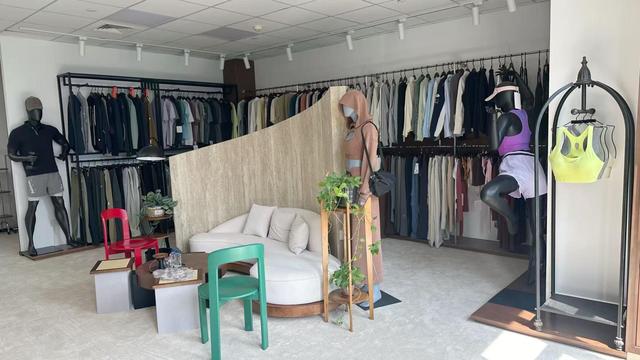
Guangzhou DYR Fashion Co., Ltd. is a professional custom yoga pants OEM & ODM manufacturer and fitness leggings sportswear supplier based in Guangzhou, China. The company specializes in designing, producing, and exporting high-performance activewear for global fitness brands, retailers, and private labels.
With strong OEM and ODM capabilities, DYR Fashion provides end-to-end solutions including trend research, fabric development, pattern design, sample making, bulk production, and international shipping. The company focuses on creating functional and stylish yoga pants, leggings, and sportswear that meet the demands of modern active lifestyles.
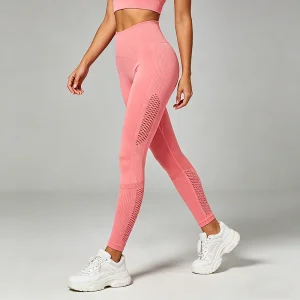
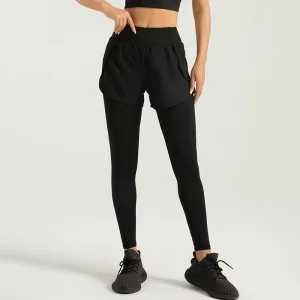
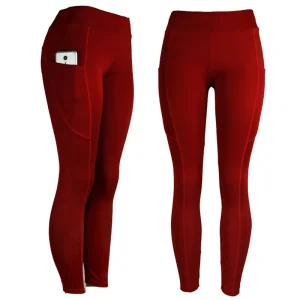
Guangzhou DYR Fashion Co., Ltd. offers a wide range of activewear products, including high-waist yoga pants, seamless leggings, compression training pants, squat-proof gym leggings, and breathable quick-dry sportswear. Each product is designed with attention to comfort, flexibility, durability, and body-shaping performance.
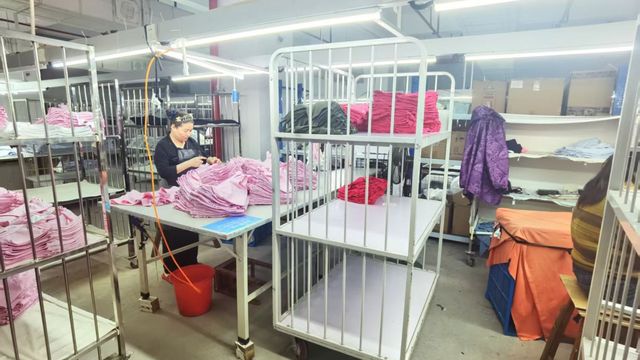
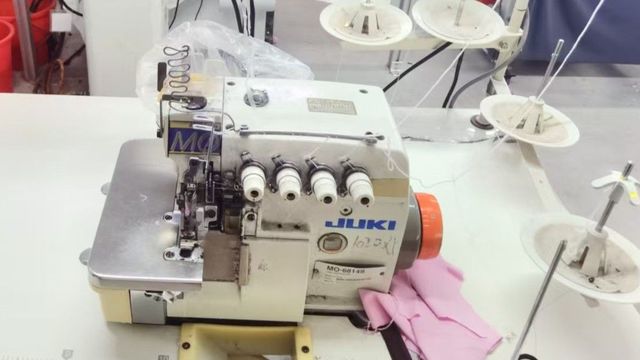
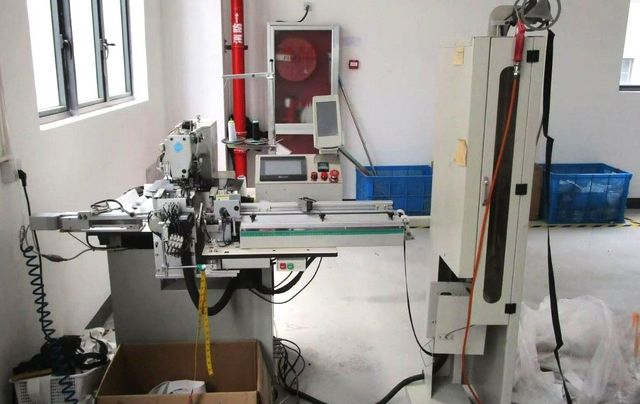
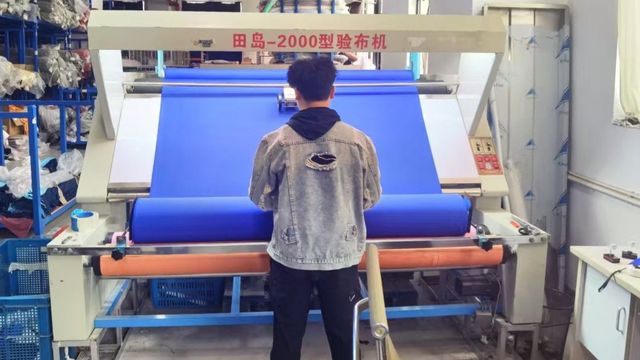
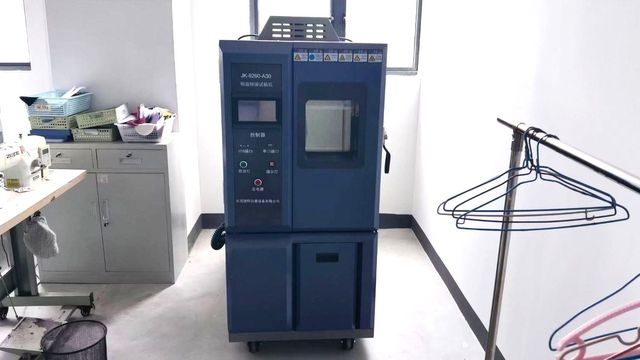
The company uses advanced production equipment and high-quality performance fabrics such as four-way stretch materials, moisture-wicking textiles, and eco-friendly recycled fibers. Strict quality control is applied throughout every stage of manufacturing to ensure consistency and international standards compliance.
DYR Fashion supports flexible order quantities, making it suitable for startups, growing brands, and large-scale distributors. With fast sampling, efficient production cycles, and competitive pricing, the company helps clients accelerate product launches and expand their activewear collections.
By combining innovation, functionality, and modern fashion design, Guangzhou DYR Fashion Co., Ltd. has become a trusted partner for global fitness apparel brands seeking reliable OEM & ODM yoga pants and sportswear manufacturing solutions.
Anticipating the technological and structural trends that will define activewear manufacturing over the next decade.
The next decade will demand deeper alignment between technology and environmental efficiency. As brands target ambitious net-zero carbon goals, several key manufacturing innovations are moving from development labs to commercial production lines:
Traditional fabric dyeing is highly water-intensive and generates significant chemical waste. Supercritical CO₂ dyeing eliminates water entirely from the process. Under high pressure, CO₂ acts as a solvent to carry dye deep into synthetic fibers. The carbon dioxide is then depressurized, captured, and recycled back into the system with 95% efficiency, leaving the dyed fabrics dry and chemical-residue-free.
By integrating artificial intelligence into pattern layout and cutting processes, advanced factories reduce scrap rate from the industry average of 15% to under 2%. Algorithms calculate nesting patterns to optimize material yields, helping to lower production costs and reduce overall raw material waste.
Future sustainability regulations will require verifiable transparency at every step of production. Leading manufacturers are adopting blockchain-linked ledger systems. By scanning a secure QR code on the final product, consumers can trace the entire manufacturing journey of their workout pants—from the collection of plastic waste to the final assembly line.
Key information regarding materials, production processes, and supply chain logistics.
True sustainability covers the entire life cycle of the product: using GRS-certified recycled polymers, implementing zero-discharge chemical dyeing (ZDHC), utilizing renewable energy in the manufacturing plant, providing safe and fair working conditions audited by BSCI/Sedex, and optimizing designs for recyclability at end-of-life.
High-quality recycled nylon and polyester match the performance of virgin materials. They undergo chemical or precision mechanical processing to ensure the same fiber length, tensile strength, and color fastness, keeping them durable and supportive through intensive exercise and regular laundering.
Look for the Global Recycled Standard (GRS) for material verification, OEKO-TEX Standard 100 or bluesign® for chemical safety, and BSCI or Sedex for social responsibility. These certificates should be backed by recent inspection reports and official transaction certificates.
We maintain quality through automated production machinery, strict in-line inspection processes, and laboratory testing of fabrics for stretch recovery, color fastness, and shrinkage. This ensures that every bulk run meets consistent technical specifications.
Lead times vary depending on design complexity and fabric availability. Prototype sampling generally takes 7 to 10 days, while bulk production runs between 30 and 45 days. We provide flexible Minimum Order Quantities (MOQs) to accommodate both startup releases and volume replenishment schedules.
Brands can calculate their carbon reduction through Life Cycle Assessments (LCAs) based on verified factory consumption data. Our facilities provide records on utility usage, chemical inputs, and GRS-certified material pathways, helping brands create clear, auditable environmental claims.
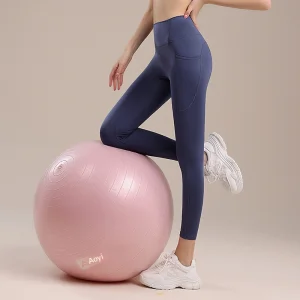
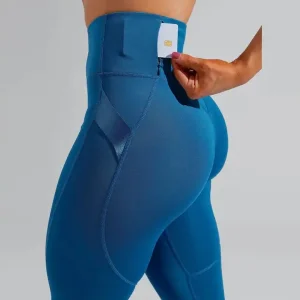
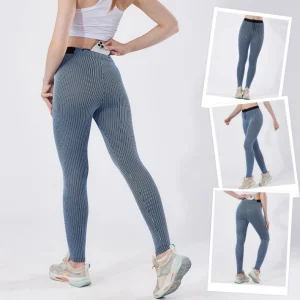
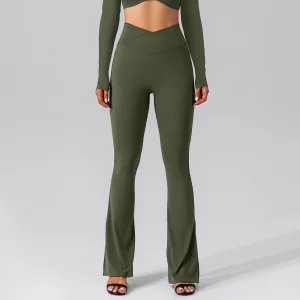
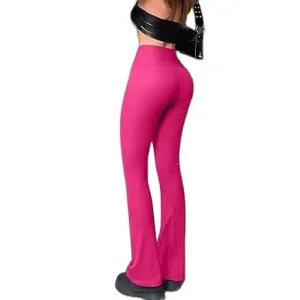
Explore our specialized leggings and compression wear, built for durability and comfort during intense training.

 DYR Fashion