DYR Fashion
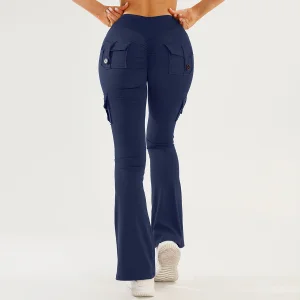
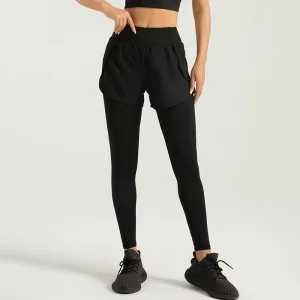
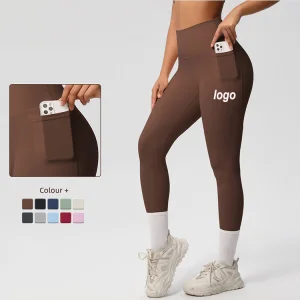
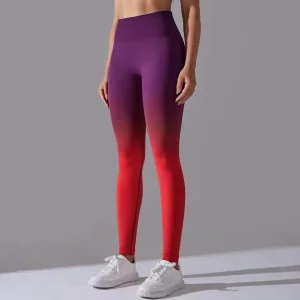
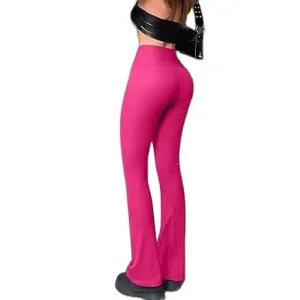

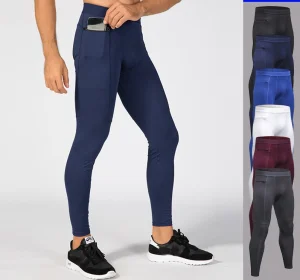
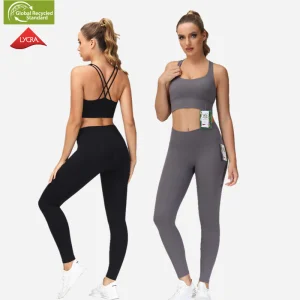
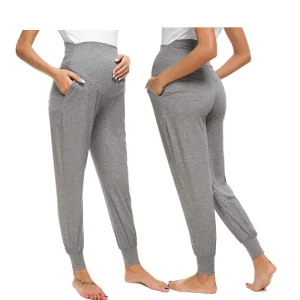
Global Trends: The Evolution of High-Rise Leggings
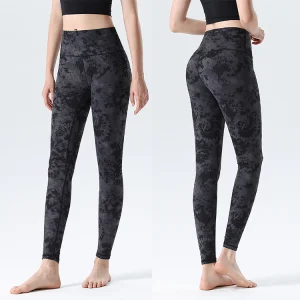
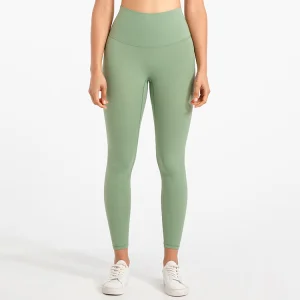
The global sportswear market has witnessed a monumental paradigm shift. No longer confined to gym floors, high-rise fitness tights have crossed over to become a core wardrobe staple in the athleisure movement. Industry analytics project the global activewear market to surpass $450 billion by 2028, driven by the relentless integration of wellness into lifestyle trends and the democratization of casual wear in professional workspaces.
The rise of high-waist configurations is not purely an aesthetic phenomenon. From a physiological and biomechanical standpoint, high-rise construction provides unparalleled abdominal stabilization (tummy control), lower back support during high-impact training, and reduces the need for constant adjustments. Modern compression techniques require a highly calculated ratio of Nylon-to-Spandex or Polyester-to-Elastane. These material demands necessitate factories capable of knitting micro-gauge fibers that ensure squat-proof coverage while maintaining moisture management protocols.
"High-rise functional tights must balance structural compression and capillary action. The modern athlete demands zero friction, absolute squat opacity, and an eco-conscious carbon footprint."
Enterprise Sourcing Dynamics: What Procurement Officers Seek
B2B buyers—ranging from high-street retailers and emerging online gym wear labels to legacy sporting goods distributors—face multi-layered friction points in global sourcing. Modern enterprise buyers assess partners based on the following three operational pillars:
- Material Compliance and Certification: Compliance with OEKO-TEX Standard 100, Global Recycled Standard (GRS) for recycled PET fibers, and REACH regulations is mandatory for market entry in the EU and North America.
- Technical Consistency: Color fastness (evaluated through ISO 105 tests), wash cycles without pilling, and consistent stretch recovery margins are critical to avoiding high return rates and protecting brand equity.
- Flexible MoQ with Rapid Prototyping: The fast fashion lifecycle dictates that suppliers offer quick sampling (under 7 days) and responsive minimum order quantities (MoQ) to mitigate deadstock exposure.