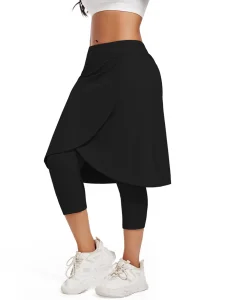
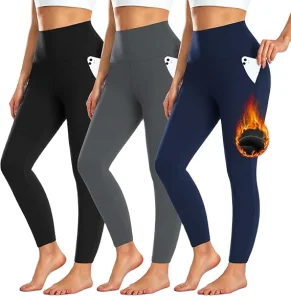
Engineered to withstand Great Lakes cold front drafts, featuring high-loft thermal backings and ergonomic compression patterns.
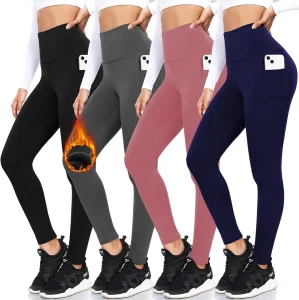
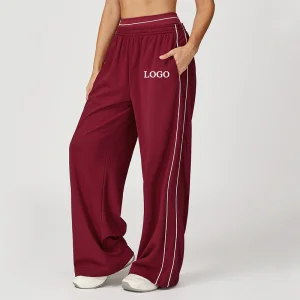
Analyzing local meteorological statistics, consumer expectations, and logistics channels for the Michigan apparel market.
Detroit and the wider Michigan region present unique challenges for performance activewear brands. With winter temperatures frequently dropping below freezing, driven by the humid continental climate and proximity to the Great Lakes, standard thin-gauge leggings fail to provide adequate insulation. Outdoor winter fitness, cold-weather community running along the Detroit Riverwalk, and winter wellness bootcamps demand high-level thermal protection without compromising range of motion.
To capture this regional market, Detroit athletic apparel brands and distributors require supply partners that understand the chemistry of thermal fleece linings. Standard brushed polyester is insufficient; modern consumers expect lightweight, high-loft, and anti-static interlocks. Meeting these demands requires state-of-the-art texturing mills, high-precision brushing machines, and composite fabric structures that balance heat retention (Clo Value) with quick-dry moisture management.
Detroit's growing fitness communities, coupled with an increasing preference for athleisure as daily wear, have driven double-digit retail growth in cold-weather garments. Brands sourcing directly from specialized production facilities can secure higher profit margins, bypass middle-tier distributors, and offer custom designs tailored to the regional aesthetic.
A premier custom yoga pants OEM & ODM manufacturer providing high-performance sportswear to Detroit and global retailers.
From concept sketching, 3D digital design, custom fabric development, to pattern creation and digital sublimation printing, we manage the complete lifecycle to expedite speed-to-market.
We utilize premium composite fabrics including double-brushed microfleeces, hollow-core thermal fibers, high-density Nylon-Spandex blends, and eco-certified recycled performance yarns.
Every piece undergoes structured multi-point quality checks covering dimensional stability, seam stretch integrity, print wash-fastness, and squat-proof opacity.
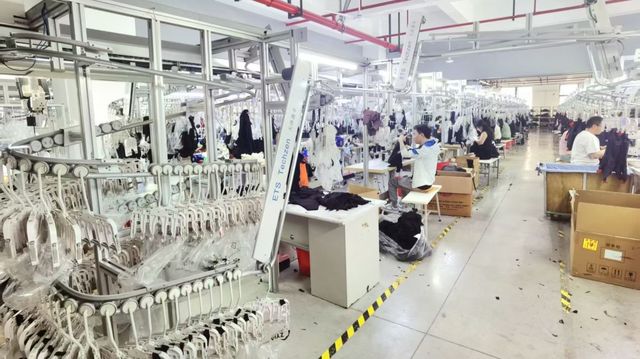
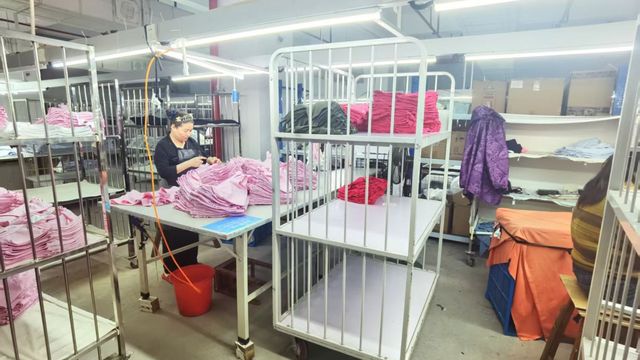
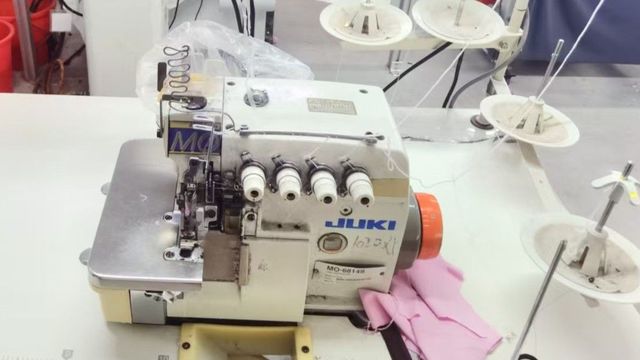
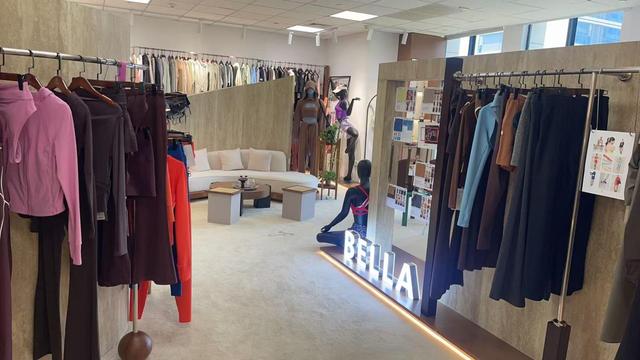
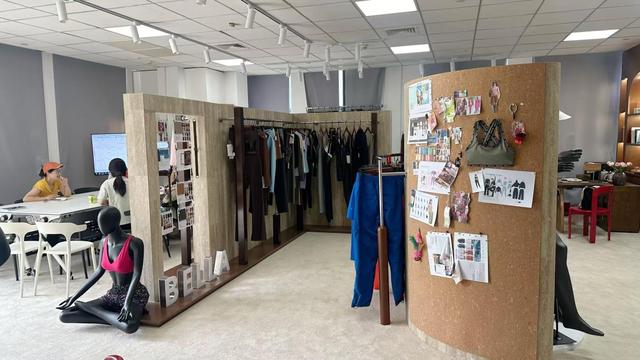
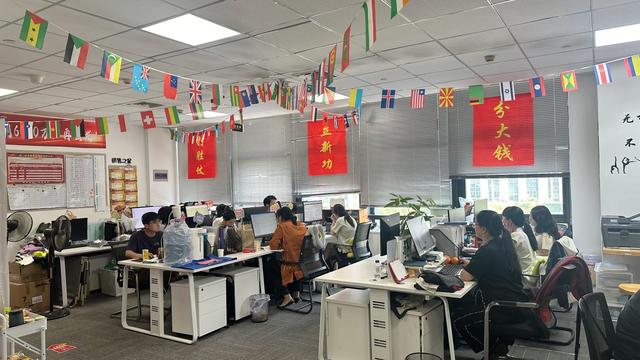
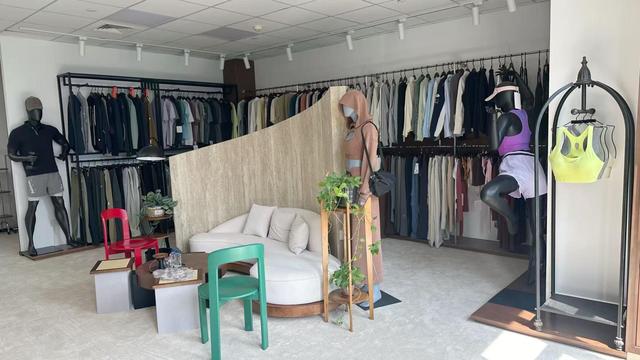
Visual evidence of our manufacturing footprint, advanced knitting machinery, assembly lines, and warehouse facilities.
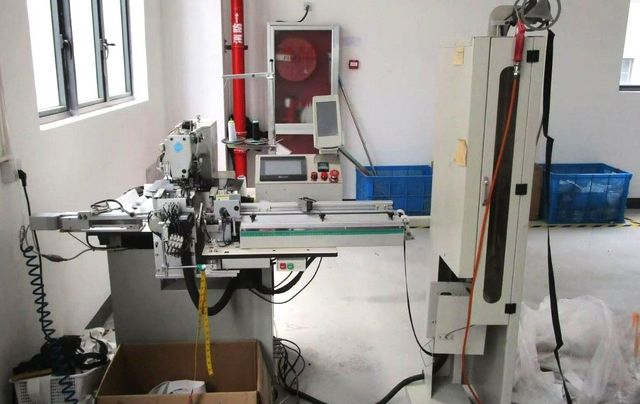
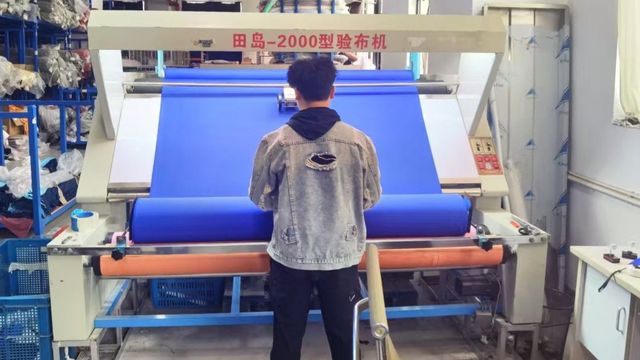
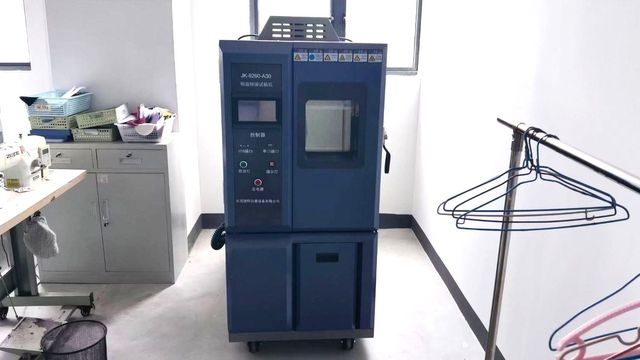
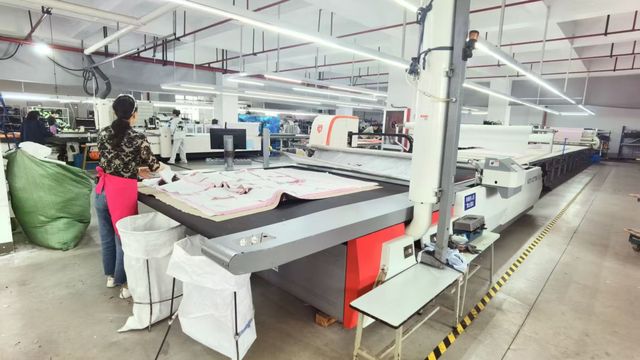
How our composite textile structures lock core body heat while allowing skin respiration during intensive activities.
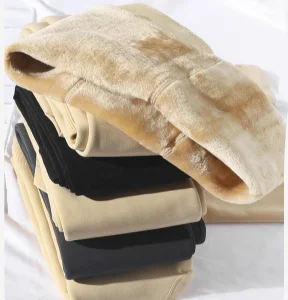
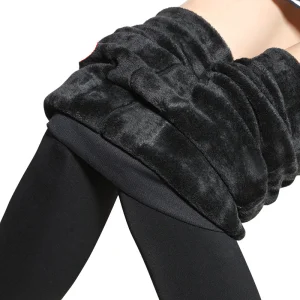
The insulation efficiency of winter activewear relies on trapping warm air close to the skin. Our thermal yoga pants utilize mechanical napping techniques. High-speed metallic wire brushes lift individual filament fibers from the backing yarn, creating a high-density, low-weight thermal fleece matrix. This structure slows convective heat transfer, trapping air warmed by metabolic output while maintaining a slim silhouette.
To prevent cold wind penetration, we construct select premium variants with a multi-layered composite system. This integrates a wind-breaking outer knit shell with a hydrophilic fleece inner lining. Moisture vapor generated during workouts is transported away via capillary action, keeping the skin dry and preventing post-workout wind-chill.
Typical thermal fabrics lose their elastic recovery over time, leading to bagging at the knees and waist. Our facility resolves this by combining high-purity polyurethane elastomer (Spandex) with synthetic polyamide (Nylon 6,6) or polyester interlock structures. Using a 4-way stretch configuration, the fabric maintains form retention even after hundreds of stretch cycles.
Additionally, all seams are joined using six-thread flatlock machines. This creates flat, zero-chafing seams that align with the musculature, reducing frictional drag during high-intensity training and running in cold conditions.
Streamlining cross-border supply chains, customs clearance, and product labeling for Michigan enterprises.
We provide comprehensive documentation support including detailed Commercial Invoices, Packing Lists, Certificates of Origin, and complete harmonized system classification (HS Codes 6104.63 / 6104.62) to ensure rapid clearance at US Ports of Entry and Detroit airports.
All fabrics comply with Federal Trade Commission (FTC) care and content labeling guidelines, textile flammability standards, and California Proposition 65 directives concerning non-hazardous dyestuffs.
Our agile manufacturing processes allow us to offer scalable order quantities for emerging labels, alongside rapid pattern verification cycles (3-7 days) and reliable container shipping times.
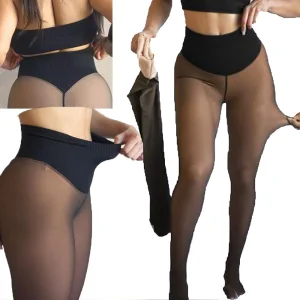
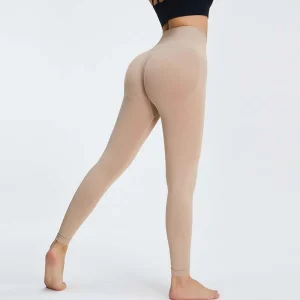
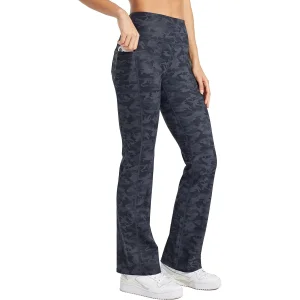
Browse our primary collection of thermal leggings, winter tights, and running pants available for custom B2B production.
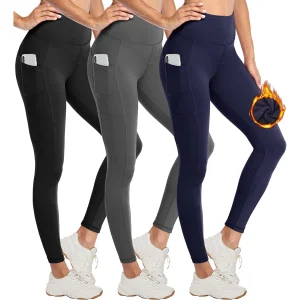
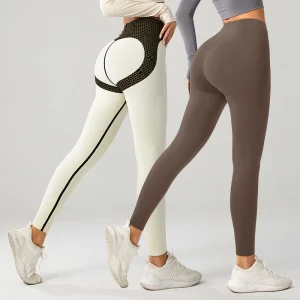
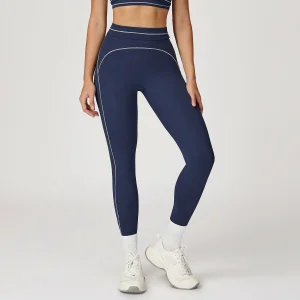
How our ongoing research and development aligns with emerging consumer demands and environmental sustainability.
Addressing the growing demand for sustainable activewear in metropolitan markets, our textile laboratory is replacing virgin polyester and nylon with post-consumer recycled alternatives. These recycled fibers match the tensile strength and coloration profile of conventional synthetic fibers while reducing environmental impacts.
Future developments focus on dynamic thermal adaptation. By developing micro-grooved cross-section yarns, our fabrics can adjust air retention properties based on fabric stretch and moisture levels, ensuring optimal temperature regulation during both exertion and rest.
Expert technical insights regarding fabric properties, customized order fulfillment, and global shipping logistics.
A: For typical Michigan winter sports and daily wear, we recommend 200 to 300-gram napped fabrics. 100-gram variations are ideal for transition seasons or highly aerobic activities where sweat dissipation is the primary requirement, whereas 300-gram plush weights provide maximum insulation for static or low-impact outdoor environments.
A: We use high-gauge circular knitting machines configured for high-density double-knit (interlock) fabrics. This prevents the fabric from becoming transparent under tension, maintaining complete opacity and reliable support during deep movements.
A: We offer extensive customization options, including private label print placements, specialized waistband designs, custom utility pockets, unique stitching patterns, and tailored fiber compositions to align with your brand's technical and aesthetic requirements.
A: The average turnaround time for standard production runs is between 20 to 30 days after sample approval. Air transport deliveries to Detroit Metro Airport (DTW) usually arrive within 5 to 7 business days, while ocean freight deliveries to regional distribution centers average 25 to 35 days.
A: Our factory implements a comprehensive quality control protocol. This includes initial raw material validation, inline inspection of stitching and dimensions, and pre-shipment verification. All garments are checked against approved counter-samples to guarantee consistency across production batches.
 DYR Fashion